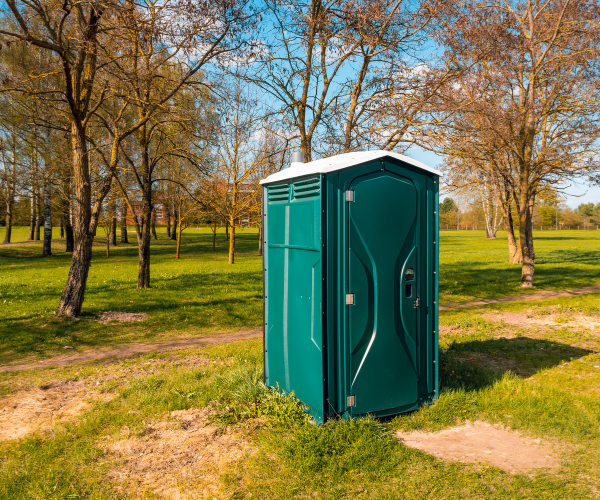
Portable toilets present several eco-friendly advantages that underscore their importance in promoting sustainable waste management practices. Firstly, they use non-potable water and environmentally safe chemicals, significantly reducing potable water consumption compared to traditional flush toilets. This is particularly beneficial in areas with water scarcity, contributing to the conservation of this vital resource. Furthermore, portable toilets are designed to contain and isolate human waste, preventing environmental contamination of soil and water sources. By capturing waste in sealed holding tanks, they mitigate the risk of harmful pathogens leaching into groundwater, thus protecting local ecosystems. Regular servicing and waste disposal, carried out in compliance with environmental regulations, ensure that the waste is treated and disposed of with minimal environmental impact. Additionally, portable toilets can be strategically placed at various locations, reducing the need for congregated restroom facilities. This decentralized approach minimizes the infrastructure needed for sewage systems and the energy required for water transport and waste processing. Moreover, advances in portable toilet design have led to the development of units that incorporate solar-powered ventilation systems and recyclable materials. These innovations further enhance their sustainability by using renewable energy sources and reducing dependency on non-renewable resources. Overall, the adaptability and environmentally considerate design of portable toilets make them a smart choice for outdoor events, construction sites, and other temporary settings. Their role in fostering sanitary conditions while minimizing ecological footprints underscores their value in modern sustainable practice.
Portable Toilet Rentals in Logan County, Arkansas
Call today for a free quote (501) 406-0456
Portable Toilet
Fast, Easy, & 100% Free To Get Started
Decades of Expertise
With more than ten years of experience, we are dedicated to serving Logan County. Our strong community connections allow us to deliver outstanding service while fully appreciating local needs, ensuring quality and customer satisfaction remain our top priorities.
Top-Notch Quality Service
We focus on delivering clean, well-maintained portable toilets, tailored to meet your specific needs for any event or project. Our exceptional service and reliability ensure your satisfaction every time.
Fast, Reliable Delivery
Need portable toilets quickly? Our speedy delivery service provides what you need, precisely when and where you need it. With prompt setups, we keep your event or site operating smoothly.
Premium Portable Toilet Services in Logan County
Call for a Free Quote Today
(501) 406-0456
Logan County Portable Toilets is your reliable choice for immaculate and practical portable toilet solutions. Serving Logan County and nearby areas, we deliver exceptional service for construction sites, parties, festivals, and weddings. As a locally owned business, we take pride in our reliability and commitment to the community. Our services stand out for their dependability, and our units are meticulously maintained, ensuring a smooth experience every time. Select our services for your event and enjoy peace of mind by partnering with a reputable local provider.
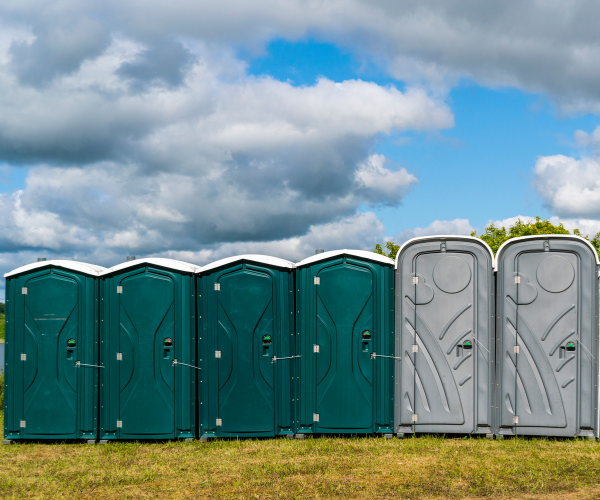
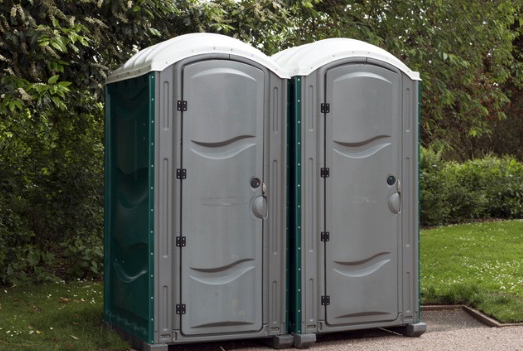
Standard Portable ToiletOur standard porta john rental units are durable and reliable for any commercial build site, housing development, public works project, or remodel job.Features include dome lighting, grated floors, and an “In-Use” locking mechanism for privacy and comfort.Regularly maintained, inspected, and cleaned by FusionSite at your location.
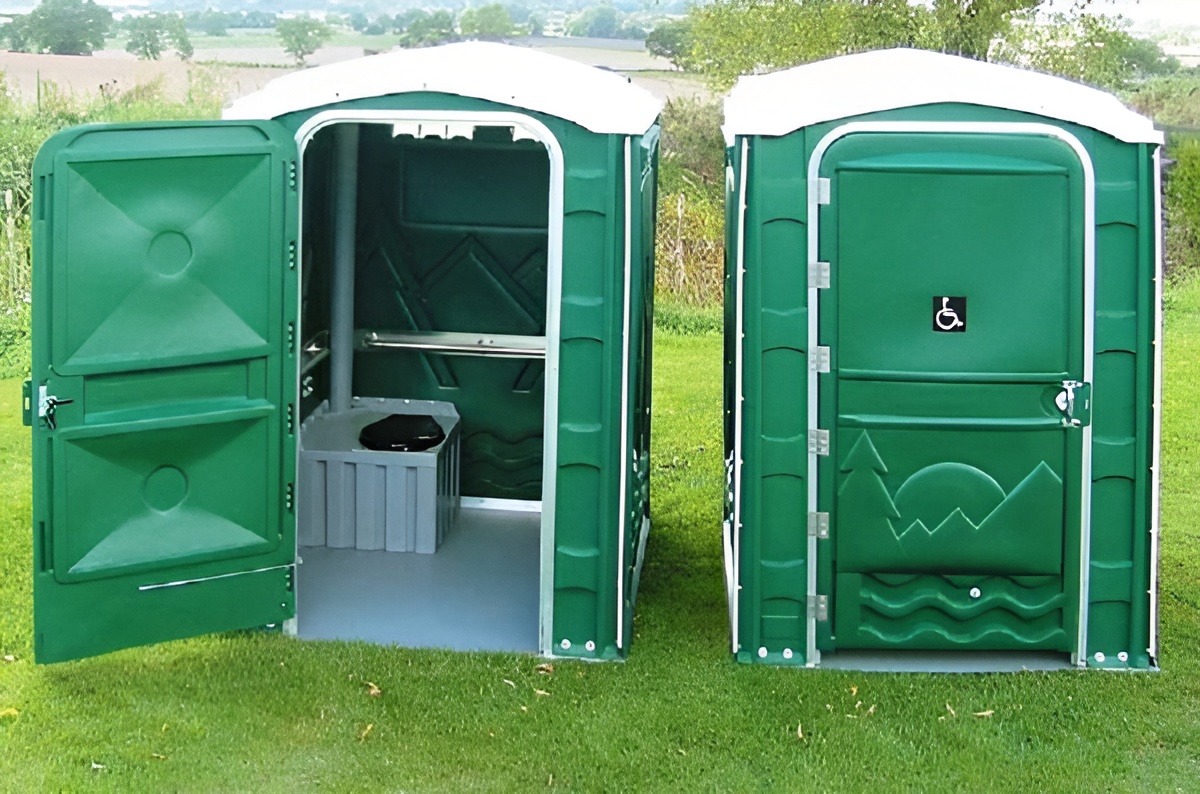
Wheelchair Accessible RestroomsDeveloped as an alternative to full ADA-compliant restrooms, the Liberty is a spacious, wheelchair-accessible unit that can also be promoted as a family-sized restroom.Includes a patented flat-floor system for easy wheelchair access and maneuverability.Handrails, paper holder, and rotary latch are designed for simple, intuitive end-user operation.
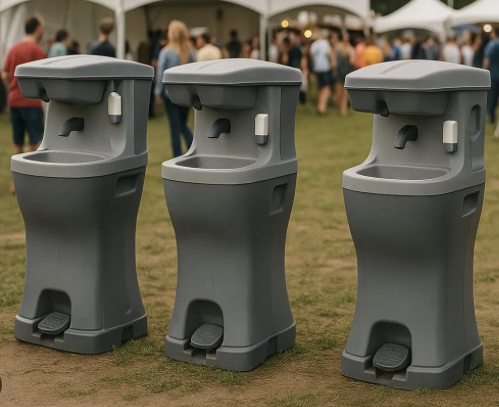
Portable SinkPortable hand washing stations are essential for keeping your work site sanitary and clean.Features hands-free foot pumps, liquid soap, and paper towels.Perfect for job sites without water hookups, these units can handle hundreds of washes between services.
We Proudly Serve
Standard Portable Toilets
Our Standard Portable Toilets offer reliable sanitation solutions for any outdoor event in Arkansas.
High Rise Portable Toilets
Our High Rise Portable Toilets provide convenient, elevated restroom access for Logan County construction projects.
Restroom Trailers
Our Restroom Trailers bring luxury and comfort to any event in Logan County, ensuring a superior experience.
Roll off Dumpsters
Our Roll off Dumpsters deliver efficient waste management solutions for projects in Logan County.
Septic Tank Cleaning
Our Septic Tank Cleaning services ensure hygienic maintenance for all property types in Arkansas.
Grease Trap Cleaning
Our Grease Trap Cleaning services keep local businesses in Logan County compliant and operational.
Fencing & Barricades
Our Fencing & Barricades services enhance security and control for events and sites across Arkansas.
Residential Storage
Our Residential Storage solutions offer secure, accessible options for Logan County residents.
Logan County Portable Toilet Rentals
Getting a quote and arranging delivery for a portable toilet is incredibly quick and convenient. Simply visit our website and fill out the straightforward form located at the top and bottom of the page, or click on any of the 'Get A Quote' buttons prominently featured online. Provide your first and last name, phone number, and email to get started. Our team will promptly contact you to finalize all the details. Whether you need a single unit for a small gathering or multiple units for large events, our streamlined process ensures minimal hassle. We pride ourselves on efficient and timely delivery, so your temporary restroom solution arrives exactly when you need it. Contact us today and discover the ease of working with Logan County's preferred portable toilet provider.
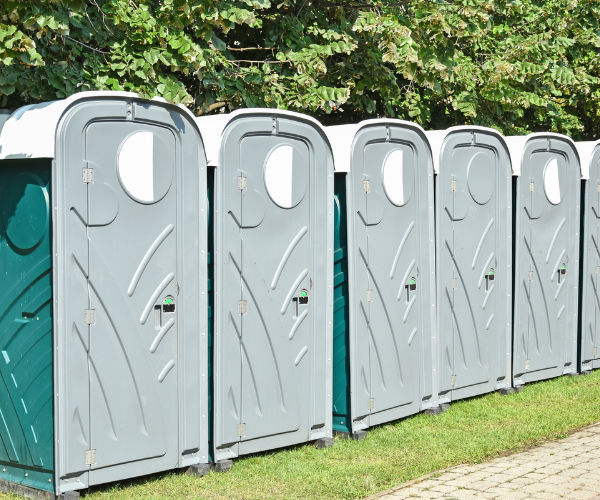
Logan County, known for its captivating attractions and lively events like the Annual Mount Magazine Butterfly Festival, heavily relies on portable toilets to support its picturesque surroundings. Whether organizing a festival beside the Arkansas River or a wedding with views of the Ozark National Forest, our portable toilets seamlessly blend with the natural landscape. We tailor our service to the region's distinct needs, delivering clean, dependable, and convenient solutions. Participate in local events without worrying about restroom facilities; our portable toilets guarantee guest comfort. Count on us to elevate your experience with top-notch products and outstanding service for any event.
We stand as the premier provider of portable toilets in Logan County, thanks to our deep understanding of the local landscape and specific requirements. Being nearby enables us to deliver swift service and rapid response times, ensuring your event unfolds flawlessly. Our commitment to quality and customer satisfaction is unmatched, exemplified by well-maintained units and attentive service. We offer adaptable rental terms, crafting solutions for any event size to deliver seamless, exceptional experiences for every customer.
Enjoy fast, reliable service with Logan County Portable Toilets, where providing prompt and efficient delivery of portable restroom units is our priority. Whether it's a construction site or an event, our team ensures you have the facilities you need on time. We manage logistics seamlessly, allowing you to focus on your project or event. Trust our professional team to deliver excellence with every rental, ensuring high standards of hygiene and product reliability.
Discover Our Portable Toilets in Logan County
Renting a portable toilet in Logan County is easy and efficient, requiring only a few steps to secure the right units for your needs. Start by filling out the form accessible at both the top and bottom of our webpage, or simply click the 'Get A Quote' buttons scattered conveniently throughout the site. You'll be prompted to provide essential details like your first and last name, phone number, and email address. Submitting this form alerts our team to your interest, and you'll receive a prompt response to guide you through the next steps. We'll discuss your requirements, including the number of units needed, rental duration, and any specific features you desire, such as hand sanitizer dispensers or ADA-compliant units. Once all specifications are in place, our team will arrange delivery at your preferred location, ensuring a seamless setup for your event or site. Thanks to our experience and local expertise in Logan County, you can count on us for timely delivery and top-notch service. Our customer-first approach ensures you enjoy a hassle-free rental experience, leveraging our extensive selection of portable toilets and competitive pricing to meet your sanitation needs effortlessly. Whether for a small gathering or a large-scale event, we're ready to provide the solution that's right for you.
The typical delivery timeframe for portable toilet orders is designed to be flexible and accommodating to the unique needs of each customer. Once an order is confirmed, we prioritize prompt delivery, aiming to have units on-site as soon as possible, often within 24 to 48 hours. This rapid turnaround is possible thanks to our well-coordinated logistics team and wide service coverage in Logan County. For events or construction projects with predefined schedules, we recommend ordering in advance to secure your preferred delivery date. When demand is high, such as during summer festivals or construction peaks, early bookings ensure you get the units you need without delay. In urgent situations, we offer expedited delivery services. Most of our clients appreciate our ability to respond quickly and efficiently to last-minute requests, reflecting our core value of reliability. We communicate clearly throughout the process, keeping you informed of delivery times and any potential changes. Once scheduled, our team handles setup with minimal disruption, ensuring your event or project proceeds smoothly. Our commitment to timely, professional delivery illustrates our dedication to customer satisfaction.
Yes, we proudly service all types of events and construction services, providing essential sanitation solutions that cater to your unique requirements. Whether you're organizing a large-scale festival, an intimate wedding, a corporate gathering, or a family reunion, our portable restrooms ensure the comfort and well-being of your guests. For construction sites, our units withstand the rigors of extended use, offering reliable sanitation for workers. Our product range includes various types of portable toilets, from luxury restroom trailers to standard porta potties, roll-off dumpsters, fencing and barricades, holding tanks, ADA units, portable sinks, and hand sanitizer stations. Each product is designed to handle specific event needs, providing flexibility and quality service. With our local expertise in Logan County, we deliver timely setups and efficient maintenance, addressing any concerns swiftly. Trust us to tailor services that match your event's scale and style, ensuring seamless integration with your planning efforts.