Portable toilets are a remarkable solution for maintaining environmental sustainability, making them a greener choice for temporary sanitation needs. One of their most significant benefits is water conservation. Traditional toilets can use a significant amount of water with every flush, whereas portable toilets utilize less water, often relying on chemical treatments to break down waste. This not only reduces water usage drastically but also ensures that sanitation is maintained efficiently. Additionally, portable toilets are designed to prevent waste from entering the environment, making them a cleaner option for outdoor events and construction sites. They are capable of safely storing waste until it can be processed and treated, thereby minimizing pollution risks to local ecosystems. In settings where fixed plumbing is not feasible, they offer an environmentally responsible solution. Furthermore, the modern engineering behind portable toilets includes the use of biodegradable chemical treatments that ensure waste is broken down effectively and safely, minimizing harmful effects on the environment. The materials used in the construction of these units often include recycled plastics, adding to their eco-friendly profile and reducing the need for new, raw materials. The transport and servicing of portable toilets are also designed with efficiency in mind. Service companies typically employ route optimization technologies to minimize fuel usage and emissions, ensuring that the environmental footprint of deploying these units is minimized. Regular servicing ensures no overflow or leakage occurs, maintaining sanitary conditions and further protecting the environment. In conclusion, choosing portable toilets for your sanitation needs means committing to a more sustainable future. Whether it's a large festival, a construction site, or a small wedding in a rural area, portable toilets provide an eco-friendly alternative that supports both ecological integrity and public health.
Portable Toilet Rentals in Camden, Arkansas
Call today for a free quote (501) 406-0456
Portable Toilet
Fast, Easy, & 100% Free To Get Started
Decades of Local Expertise
With over 20 years in the business, our company stands as a trusted member of the Camden community. We prioritize quality and customer satisfaction, offering dependable Portable Toilet services.
Unmatched Quality Service
We deliver premium portable toilet services, committed to ensuring quality in every unit we supply. Our units guarantee cleanliness and functionality, consistently meeting your needs with excellence.
Swift and Timely Delivery
We pride ourselves on delivering portable toilets quickly and efficiently. Our streamlined processes ensure that your needs are met on time, every time, without compromising on quality or service.
Reliable Portable Toilets in Camden
Call for a Free Quote Today
(501) 406-0456
At Camden Portable Toilets, we take pride in our dependable and locally owned service. Catering to Camden and nearby areas, we deliver superior portable toilet services for diverse events, ranging from construction projects and parties to festivals and weddings. Our skilled team is dedicated to maintaining hygienic and efficient operations, ensuring your sanitation requirements are met with professionalism and attention to detail. Trust us for a streamlined, high-quality experience that emphasizes cleanliness and customer satisfaction.
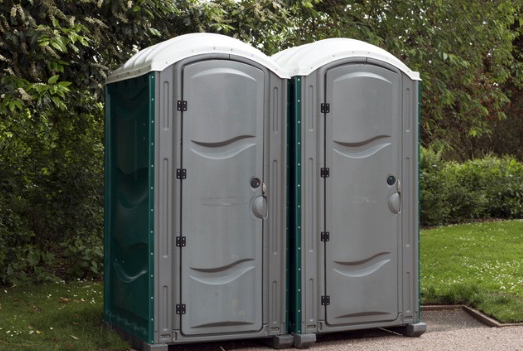
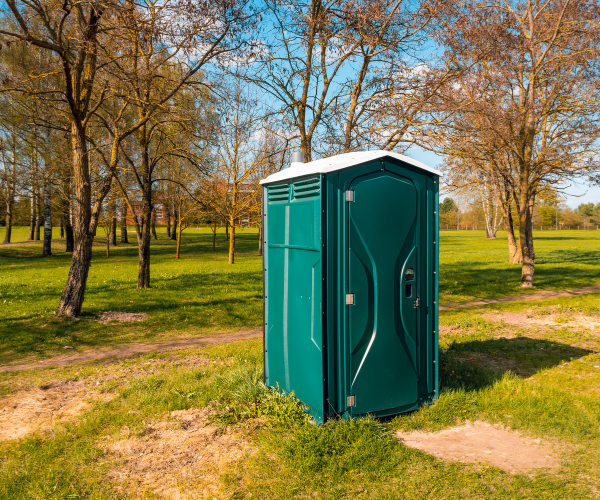
Standard Portable ToiletOur standard porta john rental units are durable and reliable for any commercial build site, housing development, public works project, or remodel job.Features include dome lighting, grated floors, and an “In-Use” locking mechanism for privacy and comfort.Regularly maintained, inspected, and cleaned by FusionSite at your location.
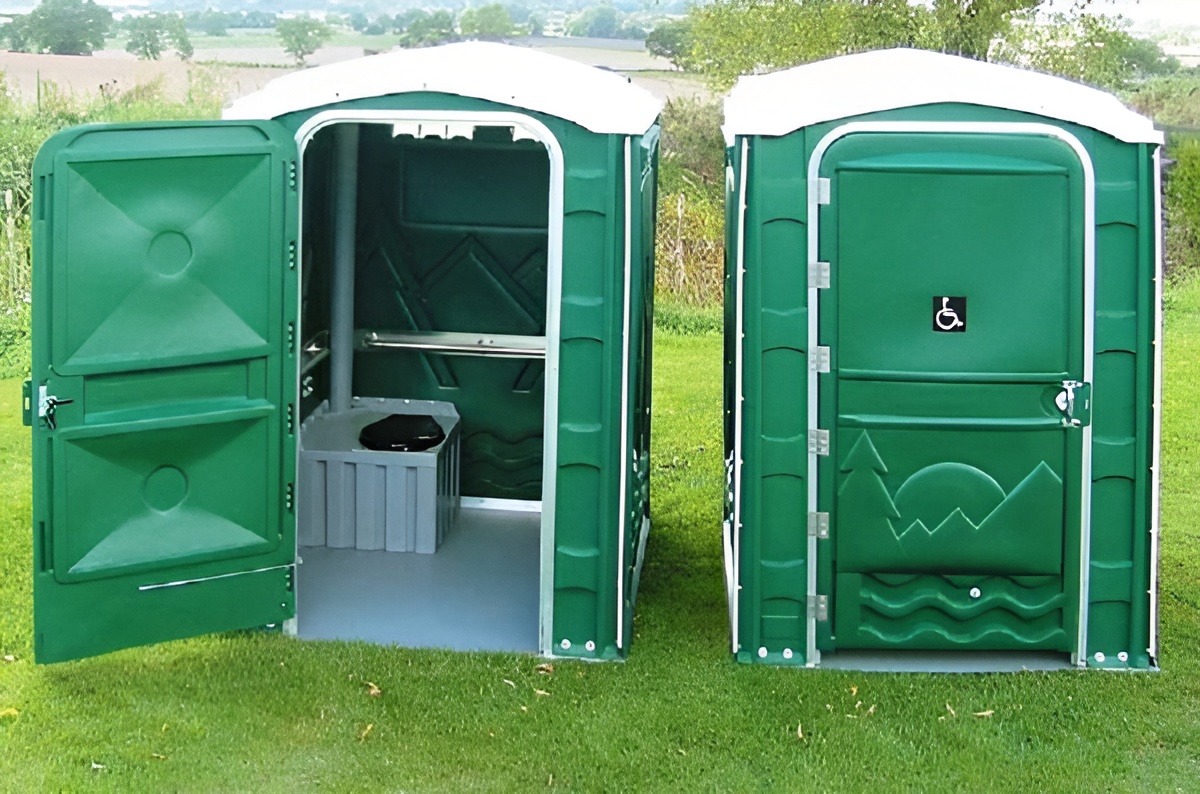
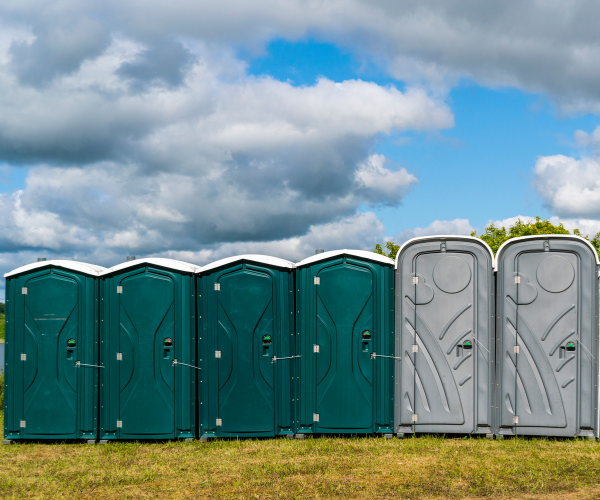
Wheelchair Accessible RestroomsDeveloped as an alternative to full ADA-compliant restrooms, the Liberty is a spacious, wheelchair-accessible unit that can also be promoted as a family-sized restroom.Includes a patented flat-floor system for easy wheelchair access and maneuverability.Handrails, paper holder, and rotary latch are designed for simple, intuitive end-user operation.
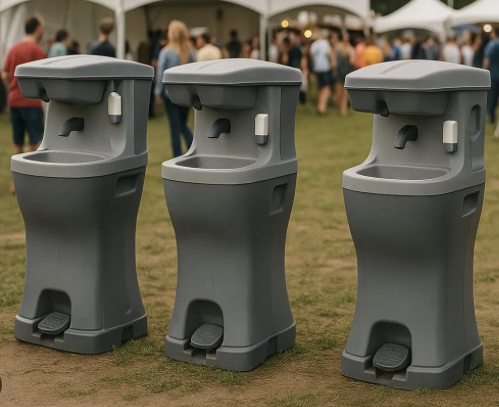
Portable SinkPortable hand washing stations are essential for keeping your work site sanitary and clean.Features hands-free foot pumps, liquid soap, and paper towels.Perfect for job sites without water hookups, these units can handle hundreds of washes between services.
We Proudly Serve
Standard Portable Toilets
Our Standard Portable Toilets provide clean and dependable sanitation solutions throughout Arkansas.
High Rise Portable Toilets
In Camden, our High Rise Portable Toilets ensure convenience for multi-level construction sites.
Restroom Trailers
Restroom Trailers in Camden offer luxury and comfort for your special events with Arkansas Portable Toilets.
Roll off Dumpsters
Efficient Roll off Dumpsters in Camden, provided by Arkansas Portable Toilets, handle all waste management needs.
Septic Tank Cleaning
Septic Tank Cleaning in Arkansas by Arkansas Portable Toilets ensures system functionality and hygiene.
Grease Trap Cleaning
Camden's Grease Trap Cleaning service maintains efficient operations for businesses with Arkansas expertise.
Fencing & Barricades
Arkansas Portable Toilets offers durable fencing and barricade solutions for secure event planning.
Residential Storage
Secure Residential Storage solutions in Camden provided by Arkansas Portable Toilets.
Camden Portable Toilet Services
At Camden Portable Toilets, convenience is at the heart of our services. Our quote process is straightforward and efficient, saving you time and effort. Simply fill out our quick online form to request a quote, specifying your needs and event details. This streamlined process guarantees you receive an accurate and competitive quote in no time. Our user-friendly platform ensures you can effortlessly navigate through the steps, guiding you through choosing the right options for your event, whether it be a wedding, festival, or construction project. With our extensive selection of units, we cater to various needs and ensure timely delivery to Camden and its surroundings. Our team is dedicated to providing a smooth experience from start to finish, making sure your portable toilet rentals are handled with the utmost care and efficiency. Choose Camden Portable Toilets for a reliable service that values your time and delivers excellence at every turn.

Camden Portable Toilets is dedicated to enhancing your outdoor experiences in Camden by providing top-tier portable restrooms. Enjoy the scenic beauty of the area, whether you're attending the annual BPW Barn Sale or exploring the picturesque setting of the White Oak Lake State Park, without worrying about sanitation needs. Our portable toilets are perfect for any local event, from community fairs to outdoor weddings. We understand the importance of maintaining Camden's charm during events, and our units ensure comfort and hygiene without disrupting the natural environment. Choose us for solutions that blend seamlessly with your unique Camden experience. Our locally tailored services ensure reliable, clean, and convenient toilet facilities wherever you need them, supporting Camden's vibrant outdoor life with our high-quality, hassle-free services.
Your Best Choice in Camden for portable restrooms awaits you here. We bring together local expertise and a commitment to quality and customer satisfaction. Rely on our experience and dedication to meet all your sanitation requirements with exceptional service. We tailor our services to fit every event, aligning seamlessly with Camden's unique charm. Our units are consistently clean, prepared, and available, ensuring every gathering benefits from added comfort and convenience. As members of the community, we prioritize making your events smooth and enjoyable, delivering reliable and confident portable toilet services.
Fast and Reliable Services are the hallmark of our operations at Camden Portable Toilets. We understand the urgency of your event needs and are committed to providing swift delivery of all portable toilet units. Every order is handled with precision and speed to ensure timely arrival, setting the stage for successful events. Our dedication to reliability means you can depend on us to deliver top-quality facilities whenever and wherever you require them. Experience peace of mind with Camden Portable Toilets, where your satisfaction drives our fast and efficient service.
Explore Camden Portable Toilets
Renting a portable toilet in Camden is a straightforward process designed for ease and convenience. To get started, visit our website where you will find a ‘Get A Quote' button prominently displayed at the top and bottom of our pages. Clicking on this will take you to a simple form that requires a few essential details such as your first name, last name, phone number, and email address. Once you submit the form, our team will promptly reach out to discuss your specific needs, including the type of events such as weddings, festivals, or construction sites, and recommend the appropriate portable toilet solutions. Our expert staff is ready to guide you through our range of options to ensure that you get the perfect match for your event. We offer an array of units from standard portable toilets to luxury restroom trailers, suitable for any type of gathering. For personalized requirements, we provide customization options, ensuring that your event's sanitation needs are fully met. This comprehensive service guarantees comfort and hygiene, no matter the location. Additionally, our competitive pricing and clear, no-hassle contracts ensure that the rental process is as smooth and transparent as possible. We pride ourselves on delivering exceptional customer service and reliable delivery times, set to match the specific schedules of our clients. Rest assured, our team is committed to ensuring a seamless rental experience from start to finish. With just a few clicks and some basic information, you are on your way to securing top-quality portable sanitation services in the Camden area.
When it comes to the delivery timeframe for portable toilets, our company prides itself on offering fast and reliable services to meet your needs efficiently. Typically, once an order is placed, our team coordinates a delivery schedule that aligns with the specifics of your event or project timeline. In Camden and its surrounding areas, we strive to ensure that you receive your portable toilets within a timeframe that maximizes convenience and meets any critical event deadlines. Understanding that timelines can vary based on demand and seasonal events, we recommend reaching out to our team at your earliest convenience to secure your units. Our goal is to provide prompt delivery while ensuring high-quality service, which is why we advise planning your rental well ahead of your event when possible. For urgent needs, we offer expedited delivery options, subject to availability, to ensure that last-minute requirements are handled swiftly and without stress. Our commitment is to minimize any disruption, ensuring that your event proceeds smoothly with all necessary sanitation facilities in place. As part of our comprehensive service, we keep our clients informed throughout the process, offering updates and confirmations regarding delivery times. Our team is adept at handling both large and small events, maintaining efficient logistics supported by our local knowledge of Camden and its surroundings. In summary, our typical delivery timeframe for portable toilet orders is designed to be flexible and responsive, catering to the unique demands of each client. With a focus on customer satisfaction, we ensure that quality and reliability are at the forefront of everything we do.
Yes, we are fully equipped to service all types of events and construction services with our extensive range of portable sanitation solutions. Whether you are hosting a large festival, a sporting event, or planning a wedding, corporate event, or family reunion, our diverse options, including luxurious restroom trailers and basic porta potties, cater to any setting. Our adaptable services also extend to construction sites requiring reliable sanitation facilities. Additionally, to enhance your event's sanitation infrastructure, we offer roll-off dumpsters, fencing, and barricades, as well as holding tanks and ADA-compliant units to ensure accessibility for all attendees. Portable sinks and hand sanitizer stations are also available to provide comprehensive hygiene facilities, vital for public events. Our services are tailored to meet the specific needs of your event or project, always ensuring cleanliness, hygiene, and convenience. We bring expertise and reliability to every venue, offering hassle-free setup and breakdown processes with meticulous attention to detail. Trust us to handle your portable sanitation needs professionally, regardless of the event size or type. Our commitment to quality service delivery ensures that sanitation is seamless, allowing you to focus on what truly matters: the success of your event or construction venture. Our team works closely with clients to understand their specific requirements, guaranteeing not only satisfaction but also a service that meets the highest standards of safety and cleanliness.