Portable toilets offer numerous eco-friendly advantages that contribute significantly to environmental conservation. They serve as a sustainable solution by reducing water consumption; conventional toilets use several gallons per flush, whereas portable toilets require no plumbing and use non-potable water in a closed system. This feature is especially valuable in locations where water conservation is essential, minimizing water waste significantly.Another environmental benefit of portable toilets is their controlled waste management system. Waste from these units is collected and disposed of by professionals, reducing the risk of contamination to natural water sources compared to traditional on-site disposal methods. This professional maintenance ensures that waste is treated appropriately, following strict health and environmental regulations.Moreover, portable toilets reduce the need for septic tank usage, which helps prevent possible leaks and infiltration into groundwater systems. They are especially beneficial during large-scale events or construction sites, where the presence of fixed restroom facilities might be limited or cause environmental stress.The materials used in constructing modern portable toilets also tend to be durable and recyclable, reducing the carbon footprint associated with manufacturing and disposal. Manufacturers have become increasingly aware of sustainability, opting for eco-friendly materials that are both effective and environmentally friendly.Lastly, by facilitating proper sanitation in remote or temporary locations, portable toilets contribute to public health efforts in reducing the spread of diseases, serving as front-line barriers in maintaining hygiene standards. Through these collective advantages, portable toilets play a vital role in promoting sustainability and environmental responsibility.
Portable Toilet Rentals in Lonoke, Arkansas
Call today for a free quote (501) 406-0456
Portable Toilet
Fast, Easy, & 100% Free To Get Started
30 Years of Experience
Leveraging over 30 years of experience, we are firmly rooted in the Lonoke community, striving to deliver unparalleled quality. Ensuring customer satisfaction remains our utmost focus.
Exceptional Quality Guaranteed
Our portable toilet services stand out for their exceptional quality, with every unit clean and well-maintained. Rely on us for dependable sanitation solutions in Lonoke.
Fast, Reliable Delivery
We pride ourselves on providing fast, reliable delivery services to meet your needs promptly. Our efficient team guarantees timely setups for all events in Lonoke.
Portable Sanitation Excellence in Lonoke
Call for a Free Quote Today
(501) 406-0456
Looking for portable toilet rentals in Lonoke, Arkansas, or surrounding areas? Our locally owned and operated company offers dependable, reliable service for all your sanitation needs. Whether it's a construction site, party, festival, or wedding, we provide clean, high-quality units that meet your specific requirements. Our team's commitment to excellence ensures you receive the best service, making us the go-to choice for portable toilets in the region.
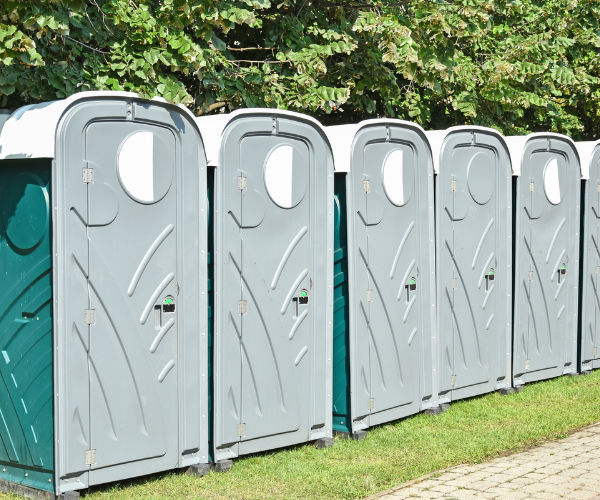
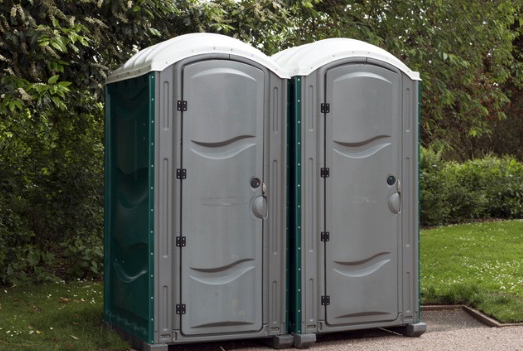
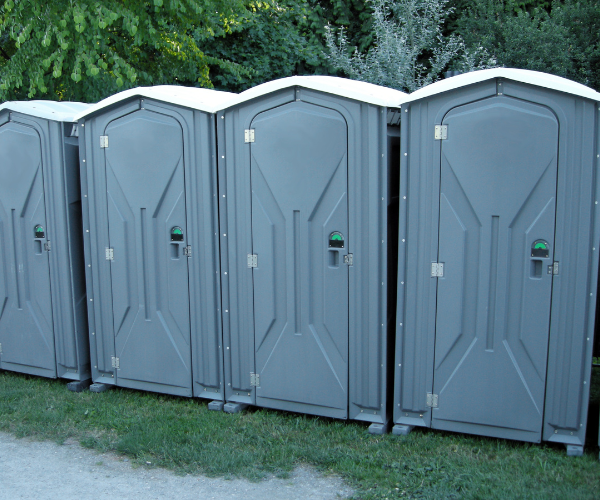
Standard Portable ToiletOur standard porta john rental units are durable and reliable for any commercial build site, housing development, public works project, or remodel job.Features include dome lighting, grated floors, and an “In-Use” locking mechanism for privacy and comfort.Regularly maintained, inspected, and cleaned by FusionSite at your location.
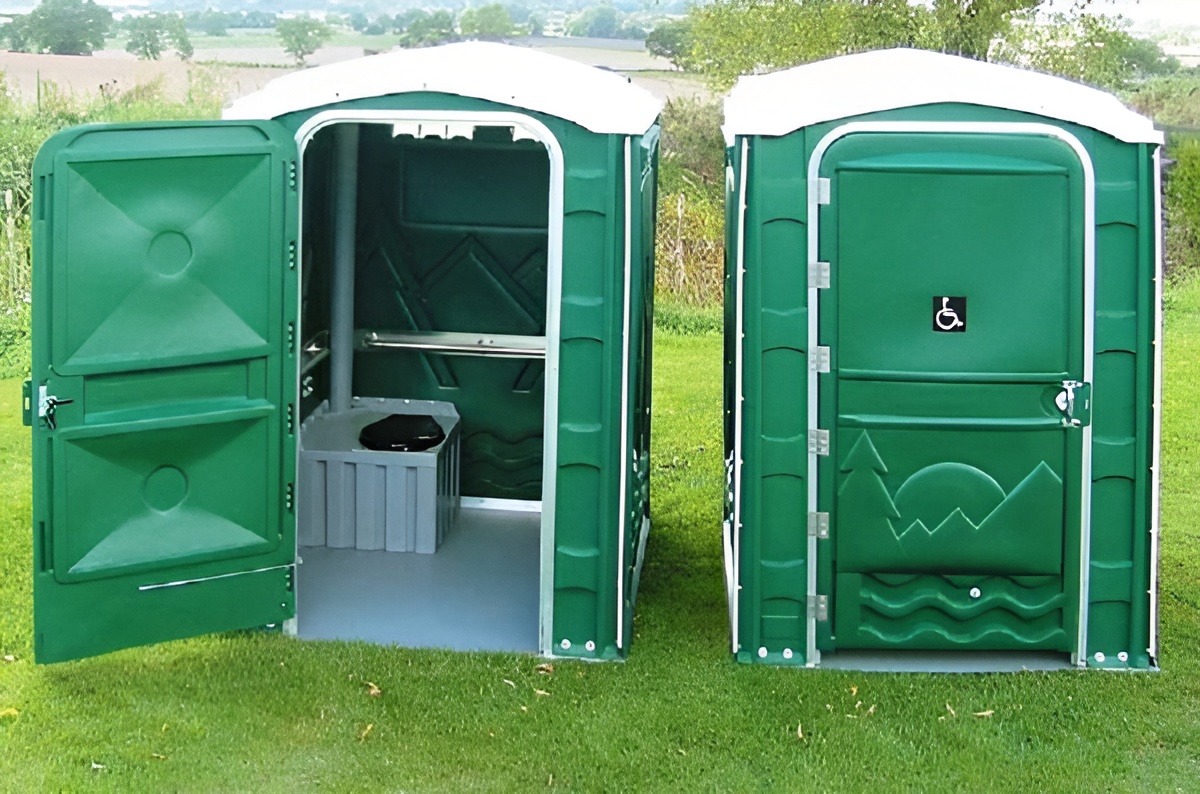
Wheelchair Accessible RestroomsDeveloped as an alternative to full ADA-compliant restrooms, the Liberty is a spacious, wheelchair-accessible unit that can also be promoted as a family-sized restroom.Includes a patented flat-floor system for easy wheelchair access and maneuverability.Handrails, paper holder, and rotary latch are designed for simple, intuitive end-user operation.
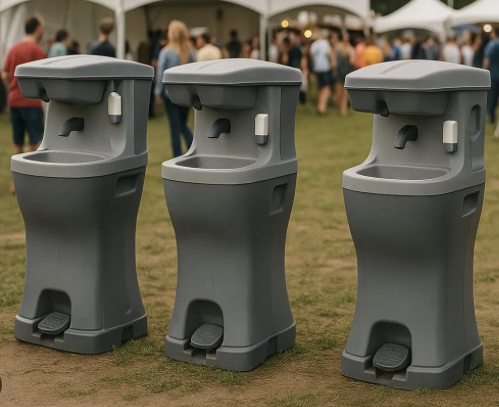
Portable SinkPortable hand washing stations are essential for keeping your work site sanitary and clean.Features hands-free foot pumps, liquid soap, and paper towels.Perfect for job sites without water hookups, these units can handle hundreds of washes between services.
We Proudly Serve
Standard Portable Toilets
Our standard portable toilets provide clean and reliable sanitation solutions for events and construction sites in Arkansas.
High Rise Portable Toilets
High Rise Portable Toilets are designed for construction projects, ensuring accessibility and convenience for workers in Lonoke.
Restroom Trailers
Restroom Trailers in Lonoke offer luxurious, comfortable facilities for weddings, corporate events, and more.
Roll off Dumpsters
Reliable Roll off Dumpsters for all your waste management needs at construction and event sites in Lonoke.
Septic Tank Cleaning
Septic Tank Cleaning ensures your system runs smoothly and efficiently, available across Arkansas.
Grease Trap Cleaning
Grease Trap Cleaning services in Lonoke keep your kitchen running smoothly by preventing blockages and ensuring compliance.
Fencing & Barricades
Our Fencing & Barricades provide security and crowd control solutions for events and construction sites in Arkansas.
Residential Storage
Residential Storage in Lonoke offers secure and convenient space solutions for homeowners.
Lonoke Portable Toilets and More
Getting a quote and having a portable toilet delivered in Lonoke has never been easier. Simply navigate to the forms provided both at the top and bottom of the page. These forms make the process seamless by requiring just your first name, last name, phone number, and email. Clicking the 'Get A Quote' buttons placed throughout the pages provides instant access to our services.Our streamlined system ensures you can inquire about any of our products or services with ease. We pride ourselves on timely responses to your inquiries. Once details have been submitted, our team quickly evaluates your needs and contacts you with a detailed quote, ensuring complete transparency and satisfaction.Following the quote approval, arranging delivery is a swift process. Our efficient logistics team coordinates to ensure portable toilets are delivered promptly, minimizing wait times. With our reliable delivery service, events ranging from private parties to large construction projects are covered.Our customer-centric approach aligns perfectly with the busy lifestyle of modern consumers, eliminating unnecessary complications. Expect nothing but the best as we prioritize convenience and reliability, allowing you to focus on what truly matters. Experience unparalleled service as we cater to the community of Lonoke with outstanding sanitation solutions tailored to meet individual needs.
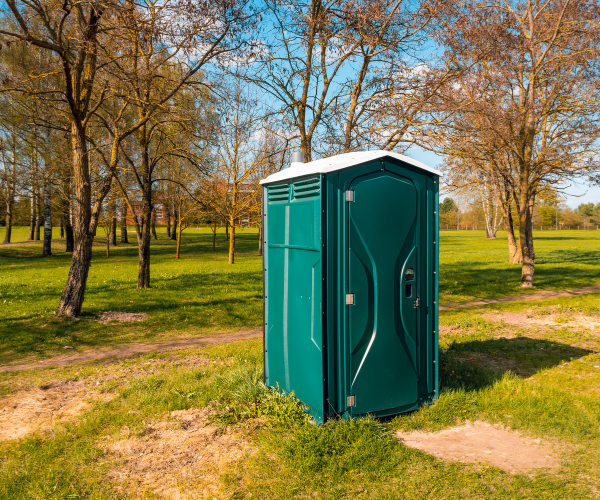
Our portable toilets are essential for enhancing outdoor adventures and community events in Lonoke, especially during notable gatherings like the annual Lonoke County Fair. With the community spirit found around pivotal landmarks like the historic Lonoke Depot, having reliable sanitation is crucial. Whether it's enjoying a festival or camping near scenic spots, maintaining cleanliness elevates the experience. Our service seamlessly integrates into any event, complementing the area's charm while minimizing environmental impact and fostering community well-being. When you host an event in Lonoke, rely on us to provide high-quality portable toilets that offer both convenience and comfort. From corporate gatherings to picturesque outdoor weddings, our dedication to unmatched service allows you to focus on what truly matters. By integrating innovative and eco-friendly solutions, we fulfill guest expectations and modern sustainability standards. Partner with us for sanitation needs to turn ordinary occasions into memorable experiences.
Your Best Choice in LonokeIn Lonoke, reputation matters greatly, and we take pride in our superior portable sanitation services. Our commitment to excellence ensures you receive top-quality service. Our units are clean, modern, and versatile, fitting any event or requirement. We prioritize customer satisfaction and consistently aim to deliver an exceptional experience.Choose us to benefit from our deep local knowledge and industry expertise. We offer tailored solutions that cater to the specific needs of the Lonoke community. Trust our steadfast commitment to quality and service as we guide you through a seamless experience from beginning to end.
Dependability You Can Count OnOur fast, reliable portable toilet services ensure that your sanitation needs are met without delay. Understanding the importance of timeliness, we have optimized our processes to ensure prompt delivery and setup for any event. From the smallest gatherings to major construction sites, our focus is on reliability.Your comfort and convenience are at the heart of everything we do. With detailed coordination and a dedicated team, our services aim to facilitate smooth operations effortlessly, offering peace of mind when you need it most.
Learn About Our Portable Toilets in Lonoke
Renting a portable toilet in Lonoke is straightforward and convenient. Our user-friendly website features easy-to-navigate forms located at both the top and bottom of each page, designed to streamline the rental process. To initiate a rental request, simply fill out the form fields with the required details: first name, last name, phone number, and email. Alternatively, interested customers can utilize the 'Get A Quote' buttons strategically placed throughout our site to start the rental process instantly.Upon form submission, you will receive swift assistance from our customer support team, ensuring your inquiry is handled promptly and professionally. We understand the urgency of these requests, particularly for events or projects with tight deadlines.Our team is readily available to answer any questions you might have, guiding you through the selection and customization of portable toilets best suited to your specific needs. Once your requirements are confirmed, we provide a detailed quote, ensuring transparency and avoiding hidden costs.Following your quote approval, our efficient logistics team collaborates with you to finalize the delivery arrangements. With our extensive fleet and experienced drivers, we guarantee timely delivery to ensure uninterrupted service for your event or construction site.Experience a seamless rental experience with us as we take care of your portable sanitation needs from inquiry to setup, offering reliable, clean, and convenient solutions to meet Lonoke's standards.
Understanding the delivery timeframe for portable toilet orders is crucial for ensuring smooth planning and operations, especially for events or ongoing projects. Generally, delivery timeframes can vary based on several factors, including the time of year, order size, and specific service requirements. However, our streamlined logistics process typically ensures prompt delivery within 24 to 48 hours after order confirmation in most cases.Our experienced team works meticulously to coordinate deliveries that align with your schedule, prioritizing urgent requests to accommodate unexpected demands or last-minute changes. Flexibility is a cornerstone of our service, allowing adjustments to delivery times and locations as necessary to meet customer needs and ensure satisfaction.The goal is to provide a seamless delivery experience, and our diverse fleet of delivery trucks operated by skilled drivers is vital for achieving this. We also account for variable factors such as weather conditions, local road access, and event scale to mitigate any potential delays and ensure effective service.Communication plays a vital role in our delivery protocol. Once your order is processed, you will receive timely updates regarding the status and eta (estimated time of arrival) of your portable toilets. By keeping you informed, we aim to provide confidence and assurance throughout the delivery process.Whether for routine deliveries or complex event logistics, our commitment to punctuality and dependability ensures your portable toilet needs are met precisely when and where required, making us a preferred choice in the industry.
Yes, we are equipped to service all types of events and construction projects, offering a comprehensive range of sanitation solutions tailored to meet diverse needs. We cater to festive gatherings, such as cultural festivals and sporting tournaments, where our luxury restroom trailers provide upscale convenience. Similarly, our portable toilets, ADA-compliant units, and portable sinks offer practicality and accessibility for weddings, corporate functions, and family reunions, guaranteeing guest comfort and hygiene.Construction sites benefit tremendously from our roll-off dumpsters and porta potties, designed to maintain site cleanliness and worker productivity. We understand the dynamic nature of construction environments and prioritize flexibility in our service offerings to adapt to shifting demands or scaled-up operations. Safety and compliance are our guiding principles, underpinning all services to exceed regulatory standards.Additionally, we provide fencing and barricades for crowd control and security during events, further enhancing the value and functionality of our offerings. Hand sanitizer stations and holding tanks also supplement our primary services, addressing health considerations while promoting environmentally responsible waste management.Our ability to deliver customized solutions underscores our commitment to client satisfaction, ensuring every project or event, regardless of its scope, benefits from reliable, clean, and sustainable sanitation options tailored specifically to its context.