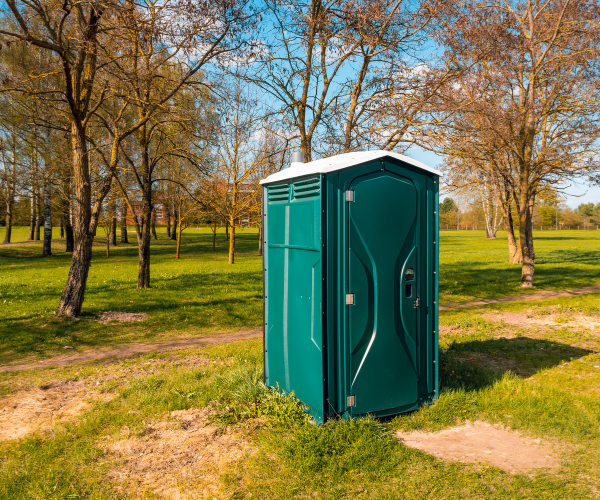
Portable toilets offer remarkable eco-friendly advantages, making them a sustainable choice for both outdoor events and construction sites. One substantial benefit is water conservation, as each portable toilet can save up to 30,000 gallons of water annually compared to traditional flush toilets. This conservation becomes especially crucial during droughts or in water-scarce regions. Additionally, portable toilets play a vital role in effective waste management. Their design ensures human waste remains contained, minimizing contamination risks to nearby environments and safeguarding local waterways. The sanitation services that accompany portable toilets use environmentally safe chemicals that efficiently break down waste without damaging the ecosystem. Energy consumption is minimized since these units operate independently, without requiring external power sources, promoting sustainability across rural and urban areas. Many portable toilets are constructed using materials and techniques designed to be environmentally friendly. Increasingly, manufacturers provide units made from recycled materials, enhancing their eco-friendly status. Choosing portable toilets allows event organizers and construction managers not only to meet immediate sanitation needs but also to participate in broader environmental protection efforts. They provide an effective sanitation solution that aligns with eco-friendly objectives, ultimately conserving water, protecting natural resources, and enhancing environmental sustainability.
Portable Toilet Rentals in Dover, Arkansas
Call today for a free quote (501) 406-0456
Portable Toilet
Fast, Easy, & 100% Free To Get Started
Over 20 Years of Quality
With over two decades of experience, our portable toilet company has established deep roots in the Dover community. We prioritize quality and customer satisfaction, delivering reliable sanitation solutions in every project. Our commitment to excellence shines through in each service we provide.
Top-Notch Service Guaranteed
Our portable toilet company stands out for delivering top-notch service with an unwavering focus on quality. Trust us to meet your unique needs with precision and professionalism, ensuring a delightful experience for any occasion.
Fast and Reliable Delivery
Count on our portable toilet service for quick and dependable delivery, perfectly aligned with your schedule and event needs. We ensure timely and efficient service, guaranteeing your facilities arrive exactly when and where they're most needed.
Portable Toilet Solutions in Dover, Arkansas
Call for a Free Quote Today
(501) 406-0456
For dependable and reliable portable toilet services, rely on our locally owned company in Dover, Arkansas. Whether you’re managing a construction project or hosting a wedding, festival, or party, our expert team stands ready, committed to meeting your sanitation needs with unmatched dedication. Serving Dover and surrounding areas, we focus on providing a hassle-free experience, ensuring your guests have clean facilities available. Experience excellence in every interaction as our courteous staff seamlessly exceeds expectations. Partner with us for top-tier sanitation solutions that uphold the highest quality standards. Trust us to handle your event sanitation needs, allowing you to focus on what truly matters.
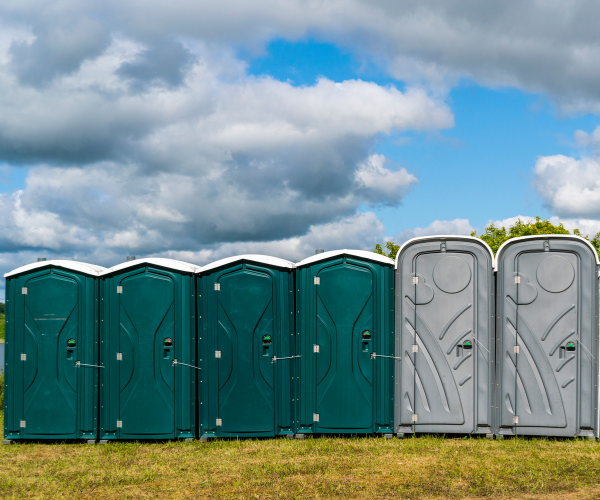
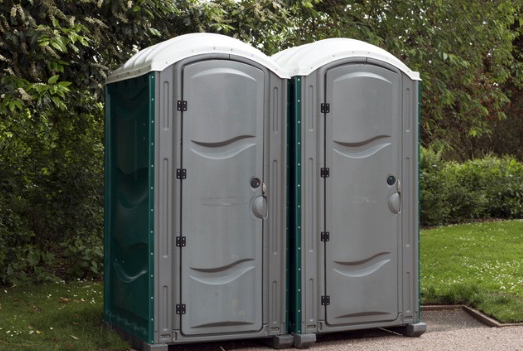
Standard Portable ToiletOur standard porta john rental units are durable and reliable for any commercial build site, housing development, public works project, or remodel job.Features include dome lighting, grated floors, and an “In-Use” locking mechanism for privacy and comfort.Regularly maintained, inspected, and cleaned by FusionSite at your location.
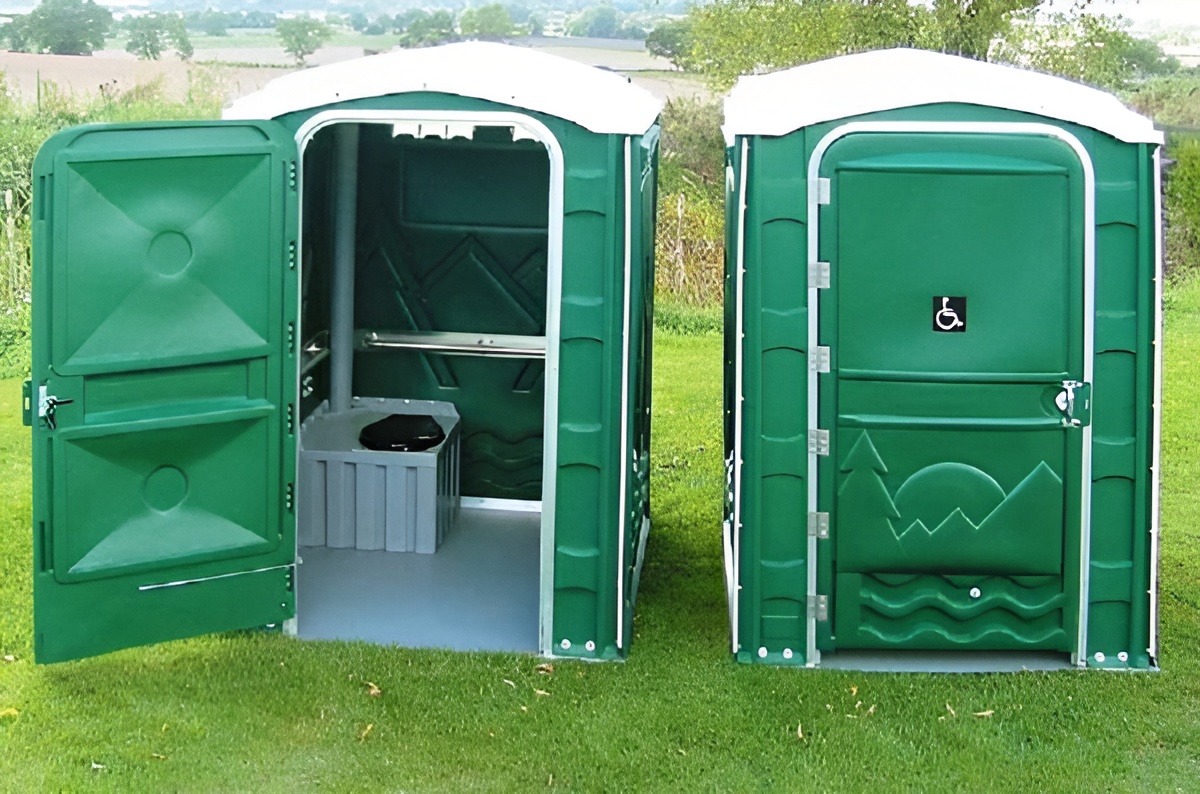
Wheelchair Accessible RestroomsDeveloped as an alternative to full ADA-compliant restrooms, the Liberty is a spacious, wheelchair-accessible unit that can also be promoted as a family-sized restroom.Includes a patented flat-floor system for easy wheelchair access and maneuverability.Handrails, paper holder, and rotary latch are designed for simple, intuitive end-user operation.
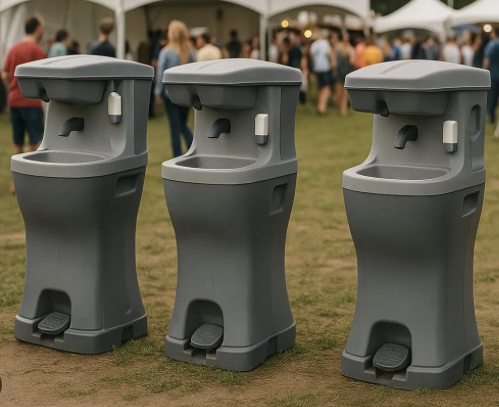
Portable SinkPortable hand washing stations are essential for keeping your work site sanitary and clean.Features hands-free foot pumps, liquid soap, and paper towels.Perfect for job sites without water hookups, these units can handle hundreds of washes between services.
We Proudly Serve
Standard Portable Toilets
Our Standard Portable Toilets in Arkansas offer practical and hygienic solutions for any outdoor event.
High Rise Portable Toilets
High Rise Portable Toilets in Dover accommodate multi-story building projects with ease and efficiency.
Restroom Trailers
Dover's Restroom Trailers offer luxury and comfort for special events by Arkansas Portable Toilets.
Roll off Dumpsters
Roll off Dumpsters in Dover provide convenient waste management solutions from Arkansas Portable Toilets.
Septic Tank Cleaning
Septic Tank Cleaning services by Arkansas Portable Toilets keep your systems in top condition.
Grease Trap Cleaning
Grease Trap Cleaning in Dover by Arkansas Portable Toilets ensures efficient operation of your waste systems.
Fencing & Barricades
Arkansas Portable Toilets offers reliable Fencing & Barricades services for versatile site requirements.
Residential Storage
Dover-based Residential Storage solutions offer secure and flexible options for your storage needs.
Dover Portable Toilet Rentals
Convenience and efficiency drive our portable toilet rental process, making it seamless for you to obtain a quote and ensure prompt delivery. With user-friendly online forms available on our website's landing page, securing sanitation solutions for your event is just a click away. Simply fill out the provided fields with your name, contact details, and specific requirements. Our team takes pride in responding swiftly, providing you with a detailed and competitive quote tailored to your event's unique needs. We understand the importance of time-sensitive projects, and our streamlined approach guarantees your portable toilets arrive punctually, perfectly positioned for your guests' comfort. Whether you're coordinating a simple outdoor gathering or a large-scale construction site, our service blends ease with professionalism. Benefit from our knowledgeable and friendly staff, ready to assist with every aspect of your rental journey, from initial inquiry through delivery and maintenance. Rest assured, our solutions are designed to cater to your demands without any unnecessary complications, ensuring a refreshing experience for everyone involved.
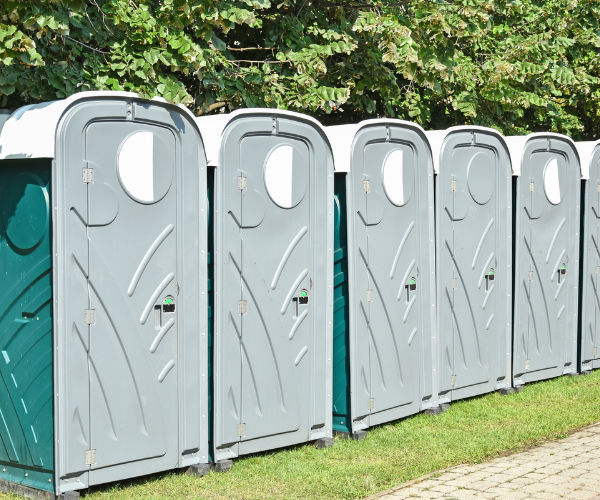
Dover is a community rich in local charm, surrounded by Arkansas's beautiful outdoor attractions, making it a prime location for events that require reliable sanitation. Our portable toilets provide the perfect solution, offering clean and convenient options tailored to enhance comfort during outdoor activities. Whether you're hosting a community festival near the picturesque Long Pool Recreation Area or a private celebration during the annual Dover Lights Festival, our services blend seamlessly into the scenic backdrop of Dover. By choosing us, you benefit from units designed to withstand diverse weather conditions, essential for any open-air event. We strive to enhance the guest experience, ensuring facilities remain spotless and well-maintained throughout your gathering. Our commitment to excellence ensures that we meet the unique sanitation needs of our community with grace and efficiency. From weddings close to nature to events celebrating the vibrant Dover atmosphere, our portable toilets stand as the top choice, backed by superior customer support and a dedication to cleanliness. Our services reflect the true spirit of the Dover community, offering a strong link between practicality and local warmth.
As the premier choice for portable toilets in Dover, our company sets standards in quality and reliability. We understand that local events and projects require efficient sanitation solutions, and our services are crafted to meet these needs precisely. Our locally owned identity ensures we know and appreciate the specific demands of our customers. Our team delivers more than just portable toilets; we offer a hassle-free experience from start to finish. Trust our expert team to surpass expectations from initial consultation through installation, underscoring our commitment to customer satisfaction. Our deep community ties and dedication ensure that we remain the trusted source for all portable sanitation needs.
In the fast-paced environment of event planning and construction, our portable toilet service shines with its speed and reliability. We prioritize rapid response times, ensuring your facilities are not just on schedule but also flawlessly equipped for your needs. With a strong emphasis on promptness, our team orchestrates a seamless delivery experience every time. Whether for a construction site demanding daily sanitation or a last-minute event requirement, our service capabilities are unmatched. Equipped with state-of-the-art logistics and a dedication to excellence, your satisfaction is guaranteed. Trust us to deliver, regardless of scale, with unparalleled speed and accuracy.
Discover Portable Toilet Excellence in Dover
Renting a portable toilet in Dover is a straightforward process designed to meet both your convenience and satisfaction. Start by visiting our website, where you'll find forms at the top and bottom of each page. This user-friendly form requests simple information like your first and last name, phone number, and email address. Additionally, strategically placed 'Get A Quote' buttons throughout our site allow for quick access to our quotation service. Once submitted, our team will swiftly prepare a tailored quote aligned with your specific event or project requirements. We pride ourselves on delivering both competitive pricing and exceptional service. The timely and hassle-free nature of our rental process ensures you experience minimal downtime while your sanitation needs are effectively met. From festivals to construction projects, our portable toilets come equipped with premium features that enhance comfort and usability. Our streamlined process is designed for your ease, assuring you receive efficient service with unparalleled reliability. Should you need any assistance during the rental process, our dedicated team is ready to support you with comprehensive guidance, ensuring every aspect of the rental experience contributes to a positive overall outcome. Trust in our local expertise and commitment to service excellence to deliver high-quality portable toilet options tailored precisely to your circumstances.
The typical delivery timeframe for portable toilet orders reflects our commitment to timely and efficient service, ensuring your sanitation needs are met without delay. Generally, our standard delivery schedule allows for setup within 24 to 48 hours after the order is finalized. However, the precise timeframe may vary based on specific requirements, such as the scale of the event, accessibility of the location, and any customization requests. For urgent situations, our company is equipped to provide faster service, offering expedited delivery options that adapt to high-priority scenarios. We prioritize clear communication and coordination, where our team confirms all logistics details with you prior to dispatch, aligning with your event timeline perfectly. To further guarantee satisfaction, each delivery includes thorough setup and operational verification, ensuring the portable toilets are fully functional and ready for immediate use. Larger events comprising multiple units may necessitate slightly differing timelines, but our robust fleet and experienced personnel ensure swift deployment. Our customer service representatives are readily available to discuss any special requirements, ensuring a seamless delivery and setup experience for any occasion. By choosing our reliable services, you are assured not only of prompt delivery but also of continued support throughout your rental period.
Yes, we can accommodate any type of event or construction service with our portable toilet options, ensuring a perfect fit for your needs. Whether organizing a bustling festival, a high-end corporate event, or an intimate family reunion, our services provide tailor-made solutions that include luxury restroom trailers, standard porta potties, ADA-compliant units, and more. For construction sites, our options such as roll-off dumpsters, fencing, barricades, and portable sinks ensure regulatory compliance and operational efficiency. Our range extends to specialized events such as weddings and sporting events, where our units not only offer necessary amenities but enhance the guest experience with their modern design and cleanliness. Each unit's design incorporates features like ventilation, hand sanitizers, and the ability to withstand diverse environmental conditions, ensuring a user-friendly experience. Our comprehensive offerings are available for immediate setup, supported by our diligent team, to provide invaluable assistance for special event sanitation requirements. By choosing our services, you gain access to reliable, high-quality sanitation facilities backed by a prompt and professional team dedicated to maintaining our outstanding reputation in the industry.