Portable toilets offer several eco-friendly advantages, making them a sustainable choice for events and construction sites. Firstly, these toilets minimize water usage significantly compared to conventional flushing systems. Typically, a portable toilet uses only a few ounces of biodegradable chemicals per service, greatly reducing the water consumption inherent to traditional plumbing. This decrease in water usage helps conserve valuable water resources, which is essential, especially during drought periods or in areas where water conservation is a priority. Additionally, portable toilets contribute to reduced carbon footprints because they decrease the need for expansive sewage infrastructures. Unlike traditional restrooms, they don't require permanent plumbing systems, which means less energy is spent manufacturing and maintaining extensive pipelines. This translates into fewer emissions from construction-related activities, as portable sanitation units involve minimal installation work and reduced need for continuous maintenance, leading to lower energy and resource inputs. Moreover, the waste management systems employed in portable toilets are designed to comply with environmental safety standards, ensuring that waste is treated and disposed of responsibly, preventing contamination of natural resources. Modern portable toilets are also increasingly built from recycled materials or materials that are themselves recyclable, encouraging a circular economy and reducing overall waste. Events and construction sites using portable toilets can significantly lessen their environmental impacts by choosing eco-friendly service providers who use biodegradable products and energy-efficient logistics operations. Finally, portable toilets offer the flexibility to be deployed exactly where needed, cutting down on emissions associated with transporting users to centralized restroom facilities, thereby reducing transport-related environmental impacts.
Portable Toilet Rentals in Sharp County, Arkansas
Call today for a free quote (501) 406-0456
Portable Toilet
Fast, Easy, & 100% Free To Get Started
Decades of Experience
For more than 20 years, we have served Sharp County with unwavering dedication to quality. Our deep community connections guarantee reliable service for every customer.
Top-Quality Service
Our priority is to deliver exceptional service. We offer top-quality portable toilet rentals, emphasizing cleanliness and customer satisfaction to ensure a pleasant experience for everyone.
Swift Delivery Guaranteed
Our team delivers quickly, ensuring portable toilet rentals reach you promptly and reliably across Sharp County, making the process seamless and stress-free.
Reliable Portable Toilet Services in Sharp County
Call for a Free Quote Today
(501) 406-0456
As a proud locally owned company, we offer dependable and reliable portable toilet services right here in Sharp County, Arkansas. Our reputation is built on years of delivering clean and well-maintained facilities for a range of events, including construction sites, parties, festivals, and weddings. We serve not only Sharp County but extend our unparalleled services to nearby communities, ensuring every client receives the highest level of care and attention. Our team is dedicated to providing you with the most convenient and hassle-free experience possible. You can trust us to deliver our units promptly and efficiently, making your event or project a seamless success. Choose us for quality service that stands out in the community.

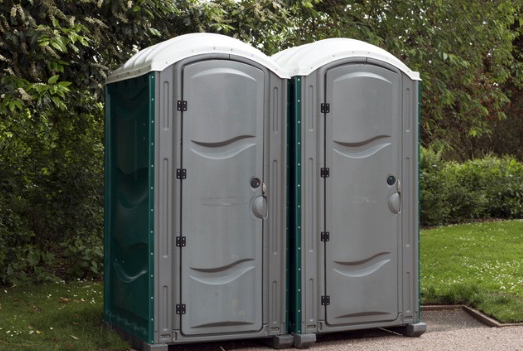
Standard Portable ToiletOur standard porta john rental units are durable and reliable for any commercial build site, housing development, public works project, or remodel job.Features include dome lighting, grated floors, and an “In-Use” locking mechanism for privacy and comfort.Regularly maintained, inspected, and cleaned by FusionSite at your location.
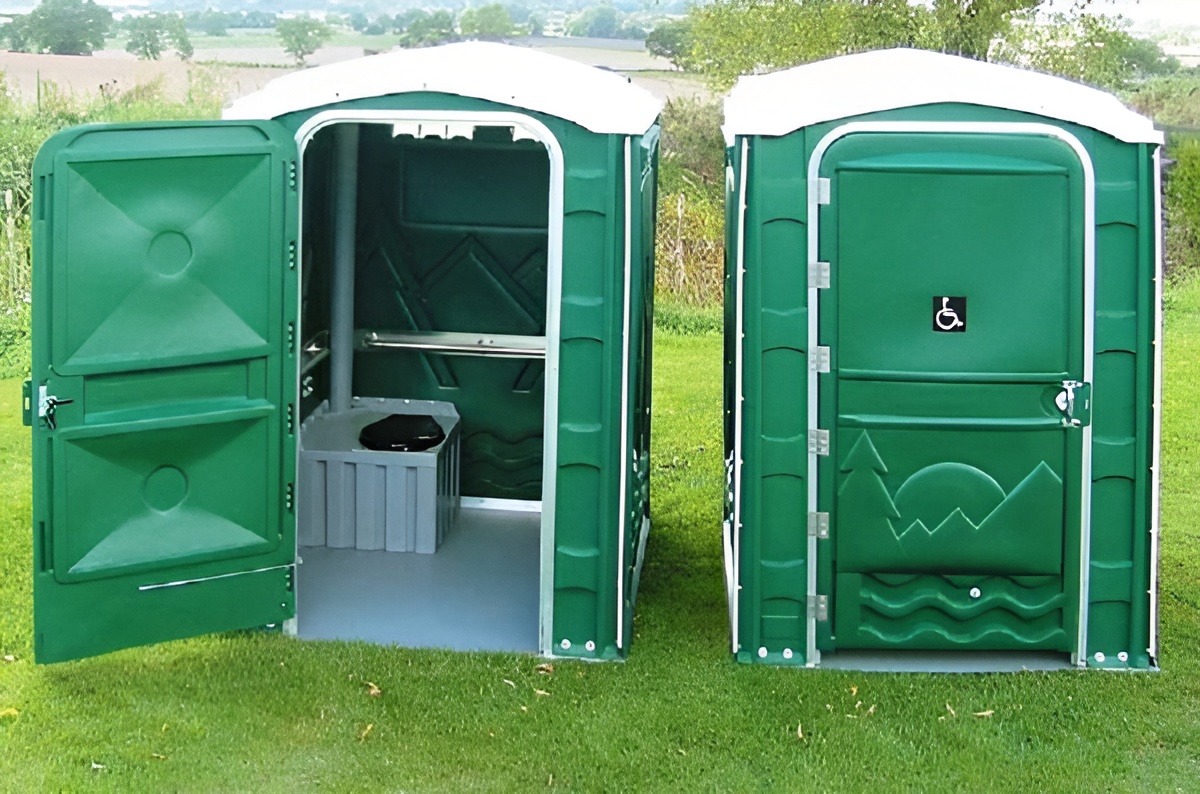
Wheelchair Accessible RestroomsDeveloped as an alternative to full ADA-compliant restrooms, the Liberty is a spacious, wheelchair-accessible unit that can also be promoted as a family-sized restroom.Includes a patented flat-floor system for easy wheelchair access and maneuverability.Handrails, paper holder, and rotary latch are designed for simple, intuitive end-user operation.
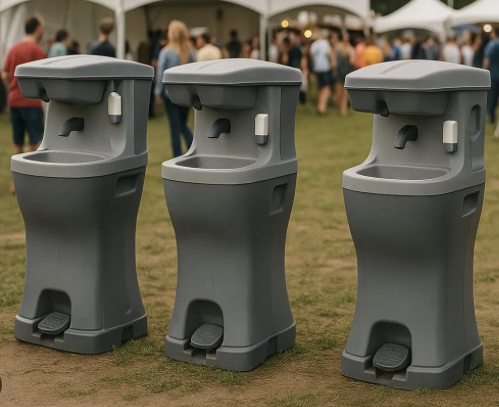
Portable SinkPortable hand washing stations are essential for keeping your work site sanitary and clean.Features hands-free foot pumps, liquid soap, and paper towels.Perfect for job sites without water hookups, these units can handle hundreds of washes between services.
We Proudly Serve
Standard Portable Toilets
Our Standard Portable Toilets offer reliable sanitation options for any event or site in Arkansas.
High Rise Portable Toilets
High Rise Portable Toilets are tailor-made for convenient installation at elevated construction sites in Sharp County.
Restroom Trailers
Restroom Trailers from Arkansas Portable Toilets provide an upscale experience at Sharp County events.
Roll off Dumpsters
Our Roll off Dumpsters ensure efficient waste management solutions for construction or large events in Sharp County.
Septic Tank Cleaning
Septic Tank Cleaning services keep Arkansas Portable Toilets running smoothly and efficiently.
Grease Trap Cleaning
Our Grease Trap Cleaning in Sharp County ensures food service operations maintain compliance and cleanliness.
Fencing & Barricades
Fencing & Barricades services in Arkansas offer dependable perimeter solutions for both events and construction sites.
Residential Storage
Residential Storage services provide secure and accessible storage solutions for your needs in Sharp County.
Sharp County Portable Sanitation Solutions
Getting a quote and scheduling delivery for a portable toilet in Sharp County has never been more convenient. Our streamlined process is designed to make your experience as effortless as possible. Simply fill out our online form with your name, contact details, and your specific needs. You can also reach out to us directly through our 'Get A Quote' buttons located strategically throughout our website. Once submitted, our team quickly assesses your requirements and provides a competitive quote tailored just for you. We understand the importance of timely delivery, which is why we ensure prompt transportation of clean, well-maintained units to your specified location. Our customer service representatives are always available to assist you, answer any questions, and accommodate any special requests. Trust us to handle your portable sanitation needs with professionalism and efficiency, allowing you to focus on what really matters—your event or project.

Sharp County's stunning outdoor venues, from picturesque parks to bustling community events like the Old Time Country Dance held annually in Hardy, demand reliable amenities like our top-notch portable toilets. Providing convenient, clean service ensures comfort whether guests are traversing the historic Mammoth Spring State Park or enjoying a lively festival. Our portable toilets are strategically placed to enhance community events, offering the perfect blend of ruggedness and refinement. Choosing local services not only supports community initiatives but also ensures rapid response times and personalized service. Our commitment to Sharp County shines through in every unit we deliver, embodying local charm and reliable functionality. Whether perched near the serene Spring River or adjacent to local festivities, such as the Cave City Watermelon Festival, our portable toilets provide essential hygiene solutions without compromising the natural beauty of the surroundings. Make us your first choice for portable sanitation and elevate your outdoor gatherings to new levels of convenience and satisfaction.
We pride ourselves on being the top choice in Sharp County for portable toilet rentals. Our dedication to exceptional service pairs seamlessly with our understanding of the local area's specific needs. We offer unmatched service options for any event size, ensuring you get exactly what you need, when you need it.Our units are meticulously clean and hygienic, designed to suit various needs from basic gatherings to grand celebrations. Choosing us means you benefit from expert advice to enhance your event setup, effective communication, and the highest cleanliness standards. Our reputation thrives on trust, ensuring every client feels supported and satisfied with our service solutions.
Our company provides efficient and reliable portable toilet services designed to meet your needs with speed and precision. Understanding the demands of construction sites and events, our logistics team ensures careful planning and timely delivery. We maintain a wide inventory, meaning you'll never face delivery delays due to a lack of availability. Our expertise allows us to swiftly coordinate services across Sharp County, adapting to changing requirements without missing a beat. Whether deploying to remote construction sites or bustling city festivals, our prompt and professional approach guarantees satisfaction. Count on us for hassle-free, on-time service as we prioritize getting your facilities set up when and where you need them.
Learn About Our Portable Toilet in Sharp County
Renting a portable toilet in Sharp County is straightforward and designed to be user-friendly. Begin by visiting our website, where you'll find 'Get A Quote' buttons—conveniently placed at the top, bottom, and throughout the pages for easy access. Clicking on any of these buttons will direct you to a simple form. You're asked to provide your first name, last name, phone number, and email address. These details enable us to prepare a tailored quote and ensure seamless communication throughout your rental process. Rest assured, this process is streamlined to save you time and eliminate any complexity. Once you submit the form, our customer service team promptly reviews your information and reaches out with a personalized quote. We understand the importance of urgency, so we strive to respond quickly to your inquiry, ensuring you receive the information you need to make an informed decision. Additionally, our team is on hand to assist with any queries you might have, whether about the specific type of unit that would best suit your needs or our delivery and setup procedures. If preferred, you can also call us directly for immediate assistance—our friendly staff are ready to help with information, advice, and to confirm your booking. Our dedication to customer service means you don't need to worry about faceless transactions—your concerns and requirements are handled with a personal touch. This approach ensures you receive the right products and services efficiently and effectively, enhancing your experience and satisfaction with our company.
Understanding the delivery timeframe for portable toilets is essential for effective event or project planning. Typically, our delivery timeframe depends on several factors, including the location within Sharp County, the size of the event or project, and the specific needs you might have. Generally, we aim to deliver our portable toilets within 24 to 48 hours of receiving your confirmed order. This timeframe allows us to assess your needs carefully, ensuring you receive the appropriate number of units at the right time. For urgent requests, our team is equipped to expedite delivery wherever possible, always striving to meet your timeline. We maintain flexibility to adjust schedules in response to sudden changes in your requirements, ensuring minimal disruption to your plans. It's important to communicate any events or projects requiring precise timing during booking so we can align our delivery schedules accordingly. Our well-maintained fleet and experienced logistics team ensure that we can offer a prompt and dependable delivery service across all areas in and around Sharp County. For large-scale events or multiple-unit rentals, we recommend placing your order as early as possible to guarantee availability and allow us to coordinate effectively with your setup plans. Overall, our commitment to timeliness aligns with our overarching goal of providing superior service. You can trust that once you've placed your order, you're in capable hands, and we'll efficiently manage the logistics to suit your needs.
Yes, we are fully equipped to service any type of event or construction service. From bustling festivals and high-energy sporting events to intimate weddings and large corporate gatherings, our portable toilet solutions are tailored to meet a diverse range of needs. We also cater to family reunions and other special occasions, providing units that are as aesthetically pleasing as they are functional. Our extensive array of offerings includes luxury restroom trailers that provide a touch of elegance, along with standard porta potties that serve practical needs efficiently. For construction projects, we deliver robust service with a selection of ADA units designed for accessibility, ensuring inclusivity at your site. Our services expand beyond just portable toilets, offering roll off dumpsters, fencing, barricades, holding tanks, portable sinks, and hand sanitizer stations, thus providing a comprehensive solution for all your event or construction requirements. Flexibility and customization are at the heart of our operations, allowing for tailored rental plans that address specific demands of your project or event. Whether you require a few units for a short duration or a fleet for prolonged use, our solutions scale to your specifications, ensuring satisfaction and success in every engagement.