Portable toilets offer several eco-friendly benefits, making them a sustainable choice for sanitation needs at events and construction sites. One primary advantage is the conservation of water. Traditional toilets can use several gallons per flush, whereas portable toilets utilize non-potable water for flushing or are designed to operate without water altogether, significantly reducing water consumption. Additionally, portable toilets are designed to safely contain waste, preventing contamination of local water sources and surroundings. The waste collected in these units is treated at specialized facilities, ensuring that harmful pathogens are removed before disposal. This centralized waste treatment process reduces the environmental footprint compared to decentralized waste management practices. Another key benefit is the reduction of infrastructure needs. By eliminating the requirement for permanent plumbing, portable toilets can be deployed in various locations with minimal environmental disturbance, preserving natural landscapes. Furthermore, advanced portable toilets are often constructed from recyclable materials, adding an extra layer of sustainability by promoting recycling and reducing landfill contribution. Finally, the logistics of regular maintenance mean that waste is collected and processed efficiently, ensuring a low-carbon footprint compared to alternative sanitation solutions. Overall, portable toilets provide an eco-friendly and efficient solution to manage sanitation needs while minimizing environmental impact.

Portable Toilet Rentals in Van Buren County, Arkansas
Call today for a free quote (501) 406-0456
Portable Toilet
Fast, Easy, & 100% Free To Get Started
Decades of Trusted Service
For more than 20 years, our Portable Toilet company has established strong community ties in Van Buren County, earning a reputation for unparalleled quality. We deliver reliable, professional service that consistently exceeds expectations.
Dedicated to Excellence
We dedicate ourselves to providing exceptional service, ensuring each portable toilet remains spotless and reliable for your needs. Customer satisfaction is our priority with every rental.
Rapid Delivery Guaranteed
Our team delivers portable toilets swiftly and efficiently to your event location. We prioritize reducing wait times while ensuring a hassle-free setup to promptly meet your needs.
Convenient Portable Toilet Rentals in Van Buren County
Call for a Free Quote Today
(501) 406-0456
Serving Van Buren County and nearby areas, our Portable Toilet company stands as your trusted provider for robust sanitation solutions. As a dependable, locally owned business, we are dedicated to delivering exceptional service. Whether you're overseeing a construction site, organizing a major festival, or planning a private wedding, our offerings are ideal for various events. Customers rely on us for spotless, well-maintained portable toilets and our adaptability to specific needs. From community gatherings to extensive projects, we ensure convenient access to superior restroom facilities. Our commitment to reliability and excellence secures our position as the leading choice in the region.
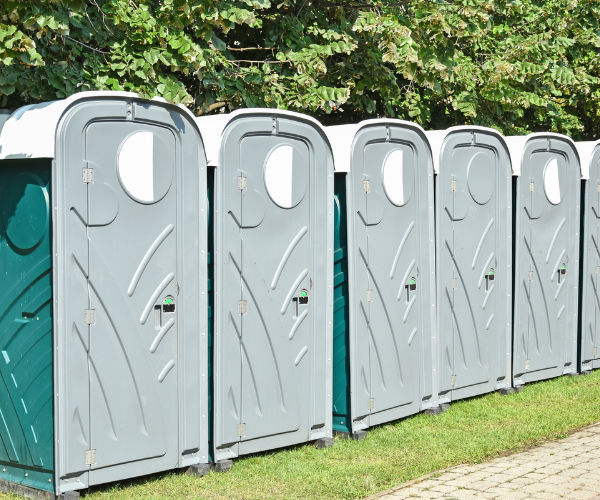
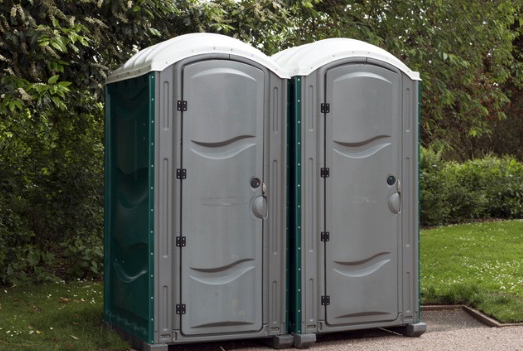
Standard Portable ToiletOur standard porta john rental units are durable and reliable for any commercial build site, housing development, public works project, or remodel job.Features include dome lighting, grated floors, and an “In-Use” locking mechanism for privacy and comfort.Regularly maintained, inspected, and cleaned by FusionSite at your location.
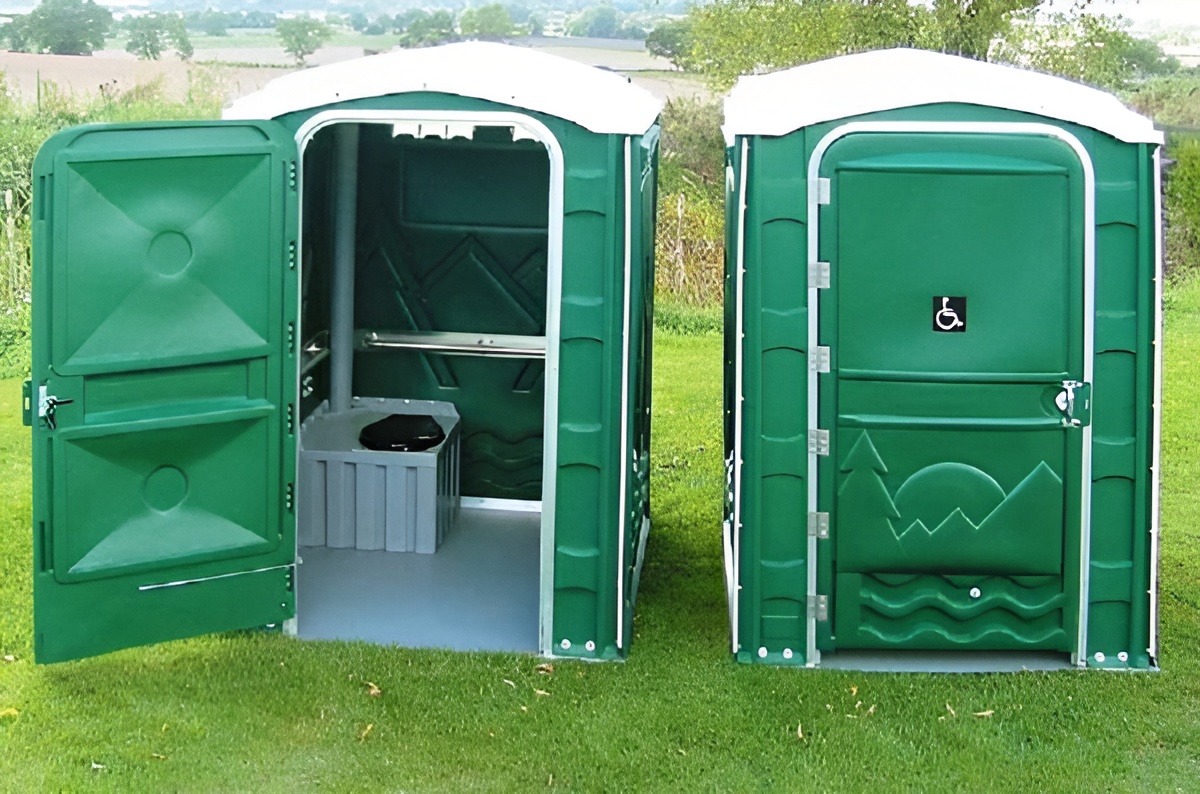
Wheelchair Accessible RestroomsDeveloped as an alternative to full ADA-compliant restrooms, the Liberty is a spacious, wheelchair-accessible unit that can also be promoted as a family-sized restroom.Includes a patented flat-floor system for easy wheelchair access and maneuverability.Handrails, paper holder, and rotary latch are designed for simple, intuitive end-user operation.
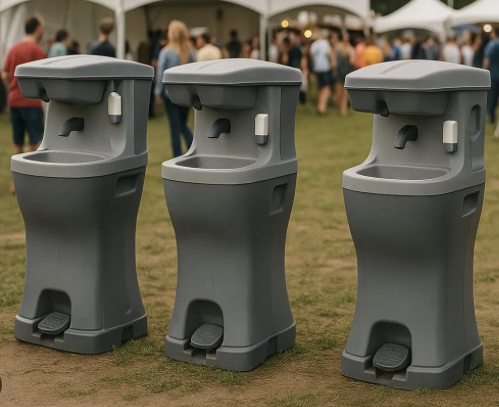
Portable SinkPortable hand washing stations are essential for keeping your work site sanitary and clean.Features hands-free foot pumps, liquid soap, and paper towels.Perfect for job sites without water hookups, these units can handle hundreds of washes between services.
We Proudly Serve
Standard Portable Toilets
Offering standard portable toilets with all essential amenities for events and worksites across Arkansas.
High Rise Portable Toilets
High Rise Portable Toilets provide elevated sanitation solutions accessible at construction and event locations in Van Buren County.
Restroom Trailers
Our restroom trailers deliver upscale facilities for events in Van Buren County, ensuring comfort and convenience.
Roll off Dumpsters
Roll off dumpsters for efficient waste management services available at Arkansas Portable Toilets in Van Buren County.
Septic Tank Cleaning
Septic Tank Cleaning services offered in Arkansas maintain hygiene with efficient waste treatment solutions.
Grease Trap Cleaning
Grease Trap Cleaning in Van Buren County helps maintain efficiency and compliance in commercial kitchens.
Fencing & Barricades
Delivering secure and robust fencing & barricades services in Arkansas for construction and event safety needs.
Residential Storage
Residential Storage services in Van Buren County offer secure solutions for storing personal belongings locally.
Van Buren County Sanitation and Event Services
Obtaining a portable toilet quote and delivery has never been easier. Our process is designed to be customer-friendly, allowing you to get a quote in mere moments. Simply visit our website and fill out a form with your name, contact number, email, and the details of your event. Quite conveniently, we offer accessible 'Get A Quote' buttons throughout our site to guide you seamlessly. Once your request is submitted, our dedicated team evaluates your needs and reaches out to offer personalized recommendations and pricing. We pride ourselves on efficiency and transparency, providing clear and competitive pricing with no hidden fees. Rest assured, from quote to delivery, we're dedicated to ensuring your portable toilet rental journey is smooth and stress-free. Trust us to bring quality and convenience to your doorstep with prompt and reliable service. Whether it's a local fair, construction project, or private function in Van Buren County, our expert team will guarantee your satisfaction every step of the way.

Welcome to Van Buren County, where our Portable Toilet services bring a touch of convenience and local charm to any event or job site. Nestled amidst the stunning beauty of the Ozark Mountains and boasting attractions like the historic Fairfield Bay, our county offers a vibrant backdrop for outdoor activities. Whether you're exploring the trails at Sugar Loaf Mountain or enjoying the annual Fairfield Bay Arts & Crafts Festival, our portable toilets ensure these experiences are enhanced with reliable, clean, and well-placed facilities. Our services are a standout in the community, driven by our commitment to quality and local appeal. Whether you’re planning a summer event by Greers Ferry Lake or a charming outdoor wedding, our portable toilets are perfectly suited to meet your needs. We understand the distinct character of Van Buren County, allowing us to customize our offerings for any event. Our dedication to Van Buren County means we consistently exceed client expectations, providing events that are not only comfortable but unforgettable. Partner with us to make sure every element of your event is seamlessly executed.
As the ideal choice for portable toilets in Van Buren County, we combine local insight with industry expertise to deliver unparalleled service. Our reputation for quality, clean, and durable facilities ensures that your event or job site is suitably equipped. Catering to a wide range of needs, from weddings to construction sites, our portable toilets are consistently the first choice for residents and visitors alike.Our strong community ties and dedication to excellence have earned us the trust of those we serve. With a focus on reliability, we commit to prompt delivery and efficient service that helps make every event seamless. Choose us for your portable sanitation needs and experience firsthand why we're considered the best in Van Buren County.
Fast and reliable service is at the heart of our portable toilet offerings. We recognize the importance of timeliness and consistency, especially on busy event days. Therefore, we guarantee rapid delivery and setup, supported by our experienced team who understands the ins and outs of the local areas in Van Buren County.Our streamlined processes and strategic planning ensure that your portable toilets arrive promptly and are set up efficiently. By prioritizing customer needs and maintaining open communication, we make sure that your events run without a hitch, leaving you free to focus on more pressing matters. Count on us for unparalleled service and exceptional responsiveness.
Explore Portable Toilet Options in Van Buren County
Renting a portable toilet in Van Buren County is a straightforward process designed with customer convenience in mind. To start, potential renters can navigate our website, where intuitive 'Get A Quote' buttons are strategically placed throughout the pages to capture interest and action. Clicking these will direct you to our dedicated quote form, requiring only basic contact information, including your first and last name, phone number, and email address. This streamlined approach accelerates the process for a quicker response. Once contacted, our team provides personalized assistance, helping you choose the best portable toilet options tailored to your specific event or site needs. We pride ourselves on offering transparent pricing without hidden fees, making the quoting process as stress-free as possible. After you've selected your preferred units and agreed on the terms, our logistics team coordinates precise delivery to your specified location, ensuring units are set up with efficiency and reliability. The entire rental procedure emphasizes ease and expediency, backed by our customer support for any questions or adjustments needed throughout the rental period. With just a few clicks and minimal information, renting portable toilets with us is hassle-free, guaranteeing a clean and ready-to-use solution right when you need it.
The typical delivery timeframe for portable toilet orders is designed to balance efficiency with comprehensive service, aiming to meet the varied needs of customers in Van Buren County and surrounding regions. Standard delivery timelines are set within 24 to 48 hours from the time an order is confirmed, providing a quick turnaround that accommodates urgent needs. In cases of immediate necessity or last-minute event planning, we offer expedited delivery services that can fulfill orders within the same day, resources permitting. Beyond mere speed, our delivery process is meticulously planned to ensure the accurate and safe arrival of portable toilets, adhering to the highest standards of service. This process involves logistical precision from our experienced delivery team, who navigate local routes efficiently while considering traffic, accessibilities, and specific site requirements. Additionally, our commitment to communication means that customers receive updates throughout their delivery journey, helping man-age expectations and solidifying trust in our services. These timeliness and efficiency attributes allow us to guarantee satisfaction, ensuring that facilities are in place long before they're needed. Should any unforeseen complications arise, we strive to adapt swiftly, maintaining the non-negotiable priority our customers place on operational timeliness. For any special requirements or large-scale orders, our team collaborates closely with clients from the onset, devising personalized timelines that fit seamlessly into individualized plans. Timely delivery is not just a promise but a core component of our comprehensive service package, which consistently underscores our dedication to excellence.
Our Portable Toilet company supports a vast array of events and construction services, reflecting our adaptability and wide-ranging expertise. We affirmatively cater to every conceivable occasion, from small-scale celebrations to large festivals and everything in between. For public gatherings such as sports events and community fairs, we provide comprehensive sanitation facilities, ensuring attendee comfort and convenience. Additionally, our portfolio includes specialized services for weddings and corporate events, where we offer luxury restroom trailers that complement the premium nature of these occasions. Our range also extends to cover essential construction services, supplying robust porta potties and ADA-compliant units to significant projects requiring reliable sanitation solutions. We're equipped to service family reunions and other private events, guaranteeing that hosts and guests experience seamless hygiene and accessibility. For extensive needs, we offer roll-off dumpsters, fencing, and barriers to enhance on-site organization and safety. Portable sinks and hand sanitizing stations are also available for added hygiene and convenience, completing a robust suite of options. Whether it's a festival or a groundbreaking, our commitment to quality and versatility ensures we're the optimal choice for any event or project, providing tailored, end-to-end service solutions.