Portable Toilets offer significant eco-friendly advantages, playing a crucial role in promoting sustainable sanitation solutions. One of the key benefits is their water efficiency. Unlike traditional toilets that use gallons of water per flush, portable toilets require minimal or no water, thereby conserving a vital natural resource. This feature is invaluable, especially in areas facing water scarcity and encourages responsible water usage in both urban and rural settings.The environmentally friendly aspect also extends to the waste management process. Portable toilets collect waste in sealed tanks, which are then professionally managed, reducing the risk of contamination of soil and local water sources. This controlled waste management system is particularly advantageous in outdoor events and construction sites, where permanent sanitation facilities are unavailable. Moreover, many portable toilet companies are incorporating eco-friendly chemicals and technologies in their units. These include biodegradable deodorizers and solar-powered ventilation systems, which significantly contribute to reducing the environmental impact. This adoption of green technologies is a reflection of the industry's commitment to sustainability, offering users a more environmentally-conscious choice.Portable toilets also have the advantage of a smaller carbon footprint compared to constructing permanent facilities for temporary needs. The modular and transportable nature of portable toilets means they can be deployed where needed without the environmental toll of construction and deconstruction of buildings. This versatility not only saves energy and materials but also allows for a flexible sanitation solution that can adapt to changing needs. In addition, the use of recyclable and sustainable materials in the manufacture of portable toilets is on the rise. International standards and industry best practices are encouraging the move towards using materials that are not only durable but also environmentally friendly. This ensures that when portable toilets reach the end of their lifespan, the impact on landfills is minimized.Lastly, portable toilets facilitate effective sanitation in remote and underserved regions, enhancing public health without the heavy infrastructure costs. By reducing reliance on traditional infrastructure, these units make it feasible to deliver sanitation services to a wider population, improving health outcomes and contributing to the well-being of communities. Overall, portable toilets represent a forward-thinking solution that aligns with global sustainability goals, offering practical and eco-friendly benefits that go beyond mere convenience.

Portable Toilet Rentals in West Helena, Arkansas
Call today for a free quote (501) 406-0456
Portable Toilet
Fast, Easy, & 100% Free To Get Started
Years of Trusted Service
For over a decade, Arkansas Portable Toilets has been a cornerstone in West Helena, emphasizing community and customer satisfaction. Our dedication to quality strengthens our community bonds, consistently offering dependable portable toilet services shaped by years of trustworthy performance.
Unmatched Quality Assurance
Arkansas Portable Toilets commits to delivering superior service by maintaining every unit to the highest standards of cleanliness and functionality. Our rigorous quality control ensures that our portable sanitation solutions remain clean, comfortable, and reliable for any occasion.
Swift Delivery Solutions
At Arkansas Portable Toilets, we understand the need for timely solutions. Our team ensures quick delivery and setup of portable toilets, catering to urgent requirements with professionalism and efficiency. Count on us to be there when you need us most.
Reliable Portable Toilet Rentals in West Helena
Call for a Free Quote Today
(501) 406-0456
At Arkansas Portable Toilets, we pride ourselves on being a dependable provider of portable sanitation solutions in West Helena, Arkansas. As a locally owned business, we offer reliable services that meet the diverse needs of construction sites, parties, festivals, and weddings within West Helena and nearby areas. Our commitment to high-quality standards ensures that each unit is clean and equipped with necessary amenities, making us the trusted choice for event planners and site managers. Our team works tirelessly to deliver not only top-notch products but also outstanding customer service, understanding the unique demands of every project. With an emphasis on affordability and convenience, Arkansas Portable Toilets continues to be a neighborhood favorite, ensuring your event or project is as seamless as possible. Trust us for all your portable sanitation needs, confident in our consistent reliability and local expertise.
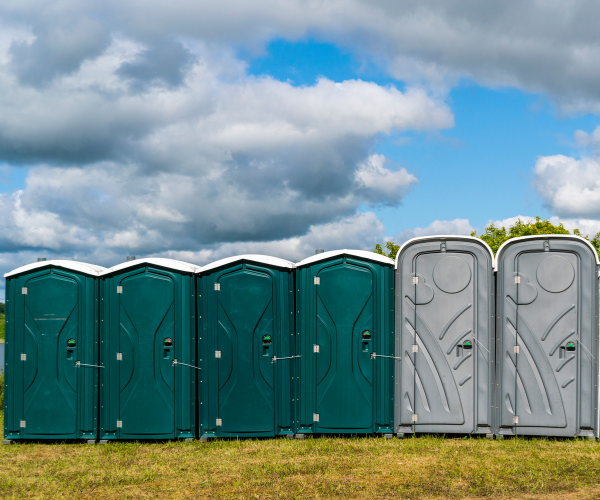
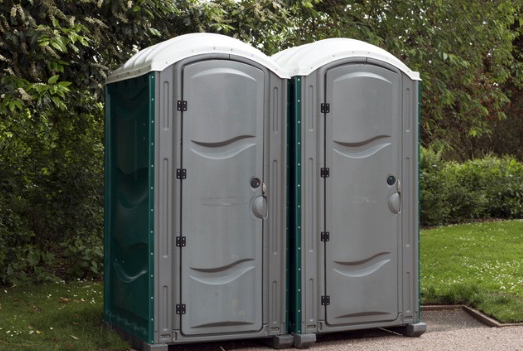
Standard Portable ToiletOur standard porta john rental units are durable and reliable for any commercial build site, housing development, public works project, or remodel job.Features include dome lighting, grated floors, and an “In-Use” locking mechanism for privacy and comfort.Regularly maintained, inspected, and cleaned by FusionSite at your location.
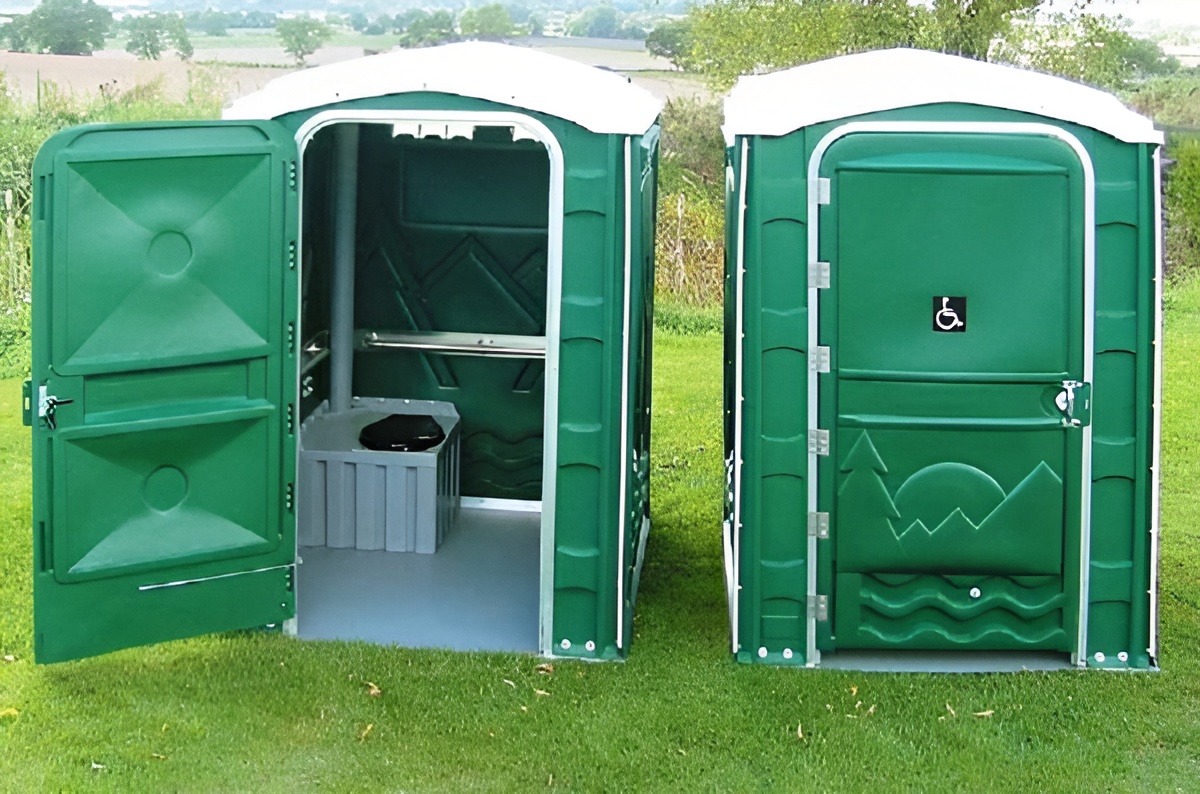
Wheelchair Accessible RestroomsDeveloped as an alternative to full ADA-compliant restrooms, the Liberty is a spacious, wheelchair-accessible unit that can also be promoted as a family-sized restroom.Includes a patented flat-floor system for easy wheelchair access and maneuverability.Handrails, paper holder, and rotary latch are designed for simple, intuitive end-user operation.
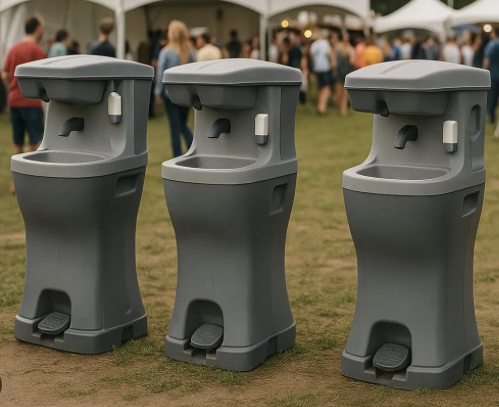
Portable SinkPortable hand washing stations are essential for keeping your work site sanitary and clean.Features hands-free foot pumps, liquid soap, and paper towels.Perfect for job sites without water hookups, these units can handle hundreds of washes between services.
We Proudly Serve
Standard Portable Toilets
Our Standard Portable Toilets offer convenient, budget-friendly sanitation solutions across Arkansas.
High Rise Portable Toilets
Our High Rise Portable Toilets provide versatile sanitation for multi-story projects in West Helena.
Restroom Trailers
Arkansas Portable Toilets offer spacious Restroom Trailers in West Helena for ultimate luxury and comfort.
Roll off Dumpsters
Efficient waste management with our hassle-free Roll off Dumpsters in West Helena.
Septic Tank Cleaning
Premium Septic Tank Cleaning services by Arkansas Portable Toilets ensure sanitation and hygiene.
Grease Trap Cleaning
Reliable Grease Trap Cleaning services by Arkansas Portable Toilets in West Helena.
Fencing & Barricades
Secure your events with our robust Fencing & Barricades services in Arkansas.
Residential Storage
Trust our Residential Storage solutions in Arkansas for secure and convenient storage options.
West Helena Portable Toilet and More
When you select Arkansas Portable Toilets, obtaining a quote is straightforward and effortless. Our user-friendly website lets you fill out a quick form to request a quote at your convenience. Clear instructions and a responsive customer support team ensure you receive a detailed, personalized quote swiftly. We prioritize transparent pricing, eliminating hidden fees and providing a clear understanding of your rental costs from the outset. Once you're satisfied with your quote, our team coordinates delivery around your schedule, guaranteeing timely setup at your specified location in West Helena and nearby areas. Our efficient processes relieve you of logistical stress—we manage everything with professionalism and care. Whether your event is just days away or months in advance, our comprehensive service ensures you have the quality Portable Toilets you need precisely when required, making Arkansas Portable Toilets a preferred partner for planners and event managers throughout the region.
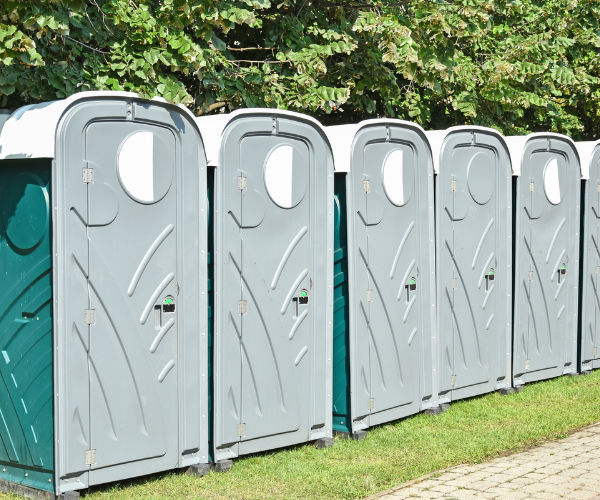
Discover the Local Appeal of West Helena with Us! Being at the heart of Arkansas, West Helena is renowned for its vibrant cultural events and scenic attractions, making it a perfect place for gatherings of all types. Our portable toilets provide the comfort and hygiene your guests deserve, whether you're hosting a festival, concert, or a wedding by the Mississippi River. Rooted in Community and Nature, Arkansas Portable Toilets not only meets but enhances the experience of local events. Our services seamlessly blend with the natural charm of West Helena. Imagine your guests enjoying music at the King Biscuit Blues Festival while having access to reliable accommodations that complement the lively community atmosphere. Ensuring Quality for Every Occasion, our commitment is to deliver clean, convenient, and reliable services, ensuring your event's sanitation needs are met with excellence. Trust us for providing top-notch portable toilets, reinforcing West Helena as an ideal location for unforgettable events.
Proudly Serving West HelenaWith deep roots in West Helena, we are more than just a business; we are a vital part of the community. Our reliable services expertly meet the needs of local events and construction projects, offering tailored solutions that you can trust.Excellence at Every TurnWe excel in providing top-tier portable sanitation services, distinguishing ourselves through unwavering dedication to quality and customer satisfaction. Opt for Arkansas Portable Toilets to experience unmatched service, resourcefulness, and dependability.
Fast Service at Your FingertipsAt Arkansas Portable Toilets, our dedicated team ensures swift responses and dependable service throughout West Helena. We prioritize your needs with quick setups and regular maintenance to keep everything running smoothly.Reliability You Can Count OnOur efficient processes mean you'll never be left waiting. We emphasize convenience and reliability, maintaining punctuality and professionalism from order to delivery in every interaction.
West Helena Portable Toilet Insights
Renting a portable toilet in West Helena with Arkansas Portable Toilets is a straightforward process designed with user convenience in mind. The first step involves visiting our website, where you'll find forms located at both the top and bottom of our homepage, specifically crafted for quote requests. Simply fill out these forms by providing your first name, last name, phone number, and email address. Rest assured, your information is securely handled, enabling us to contact you promptly with the details.Our 'Get A Quote' buttons are strategically placed throughout the website pages as part of an easy click-to-access service offering. Each of these buttons is linked directly to our quote system, ensuring you can initiate a request with minimal effort. Upon submitting your details, our sales team will reach out to gather any further information necessary to tailor our services to your specific needs. You have the option to discuss the number of units required, the duration of the rental, and any additional services you might need to enhance your event experience.Once we have a clear understanding of your requirements, we provide a detailed quote that outlines all costs involved, ensuring complete transparency and no hidden fees. After confirming the quotation, our team handles the rest, ensuring timely delivery and setup at your specified location in West Helena. Our customer-focused approach means that we are here to help, with a commitment to making your rental experience as seamless as possible. To guarantee availability, especially during peak seasons or for large events, we advise contacting us well in advance. However, we understand that sometimes urgent needs arise, and we are prepared to accommodate same-day service requests whenever possible.In summary, renting a portable toilet with us is an effortless process designed to save you time and ensure a stress-free experience. Whether it's for a casual backyard gathering or a larger community event, Arkansas Portable Toilets is equipped to provide a reliable service that meets a variety of requirements, ensuring every event in West Helena has the portable sanitation support it needs.
Understanding the delivery timeframe for portable toilet orders is crucial for ensuring a smooth event setup. At Arkansas Portable Toilets, we pride ourselves on offering prompt delivery services tailored to each customer's unique needs. Typically, we advise placing your order a few days in advance to guarantee availability and allow ample time for logistical planning. However, we understand the unpredictable nature of events and are committed to accommodating last-minute requests whenever possible.Upon receiving your order, our team coordinates with you to establish a convenient delivery schedule. Standard delivery times are meticulously planned to fit your specific event setup requirements. For most areas within and around West Helena, we aim to deliver within 24 to 48 hours of order confirmation. This timeframe ensures that you have everything set up well before guests arrive, providing peace of mind that everything is in place and in working order. For larger orders or events taking place in remote areas, we recommend allowing extra time to account for any potential logistical challenges.Rest assured, our priority remains ensuring punctual deliveries, regardless of location or event size. Our team is equipped with advanced routing systems to optimize our delivery process, ensuring timeliness and efficiency in every delivery. Time-sensitive requests are given utmost priority, and our flexible scheduling options mean that you can select delivery windows that best fit your timelines.Additionally, our established procedures guarantee that once your event concludes, our team will be there to promptly remove the units, making the process as seamless for you as possible. Whether it's a one-day festival or a long-term construction project, Arkansas Portable Toilets stands ready to provide reliable, experienced, and efficient delivery services that meet all your portable sanitation needs.
Yes, at Arkansas Portable Toilets, we proudly offer comprehensive services for any type of event or construction project. Our experienced team can accommodate a wide range of occasions, from bustling festivals and crowded sporting events to intimate weddings and large corporate functions. No matter the size or scope of your event, we have the resources and expertise to provide top-notch portable sanitation solutions tailored to your needs.Our versatile inventory includes a selection of units designed to cater to diverse demographics and site requirements, ensuring our service is as inclusive and accessible as possible. We offer an array of options such as luxurious restroom trailers for upscale occasions, standard porta potties for smaller gatherings, and ADA-compliant units for enhanced accessibility. In addition, our portfolio extends to include roll-off dumpsters, fencing and barricades, holding tanks, portable sinks, and hand sanitizer stations, supporting all auxiliary services you might require.Our team understands the unique demands each setting poses, which is why we work closely with event planners and site managers to ensure seamless integration of our facilities. From strategic placement to routine maintenance and sanitation, every unit is backed by exceptional customer service. For construction sites, we tailor our offerings to comply with all legal requirements surrounding worker safety and health standards.Arkansas Portable Toilets is committed to delivering a reliable, hassle-free service that encompasses every possible requirement, ensuring no aspect of your event is overlooked. Whatever the occasion, you can depend on us to enhance your site's accessibility and comfort, making us the ideal partner for any location needing high-quality portable sanitation solutions.